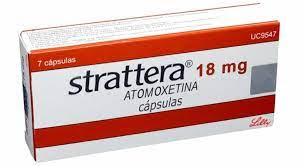
ADHD or attention deficit hyperactivity disorder is a common condition that affects children and adults. People with ADHD often display impulsive behavior, lack of concentration, and hyperactivity. The condition can be treated with medication, therapy, or a combination of both.
One of the most common medications used to manage ADHD symptoms is Strattera. This medication, also known by its generic name atomoxetine, is a selective norepinephrine reuptake inhibitor (SNRI) that is approved by the US Food and Drug Administration (FDA) for the treatment of ADHD.
Here is everything you need to know about Strattera, including its uses, benefits, side effects, and warnings.
Uses of Strattera
Strattera is primarily used to manage the symptoms of ADHD in both children and adults. The medication works by increasing the levels of norepinephrine, a chemical in the brain that helps regulate attention, behavior, and mood.
Strattera is also used to treat narcolepsy, a condition that causes excessive daytime sleepiness and sudden sleep attacks. The medication helps improve the symptoms of narcolepsy by promoting wakefulness and alertness.
Benefits of Strattera
The primary benefit of Strattera is the improvement of ADHD symptoms. People taking this medication have reported increased attention span, improved focus, and decreased impulsivity.
In addition to managing ADHD symptoms, Strattera has also been shown to reduce the risk of substance abuse in people with ADHD. Studies have found that children and adolescents with ADHD who take Strattera are less likely to develop drug or alcohol dependencies in the future.
Strattera is also a non-stimulant medication, which means that it does not produce the same side effects as stimulant medications. This makes Strattera a safer and more tolerable alternative for people who cannot take stimulants due to medical conditions or personal preference.
Side Effects of Strattera
Like any medication, Strattera may cause side effects. Some of the most common side effects of Strattera include:
- Nausea
- Vomiting
- Stomach pain
- Loss of appetite
- Dizziness
- Headache
- Fatigue
- Mood changes
- Insomnia
These side effects usually occur within the first few weeks of taking Strattera and may decrease over time. However, if you experience any severe or persistent side effects, you should contact your doctor immediately.
In rare cases, Strattera may cause serious side effects, such as:
- Increased heart rate
- Chest pain
- Irregular heartbeat
- High blood pressure
- Severe allergic reactions
If you experience any of these symptoms while taking Strattera, you should seek medical attention immediately.
Warnings of Strattera
Before taking Strattera, you should inform your doctor if you have any medical conditions, such as:
- Heart disease
- High blood pressure
- Liver disease
- Kidney disease
- Glaucoma
- Seizures
- Mental illness
- Suicidal thoughts or actions
Strattera may cause suicidal thoughts or actions, especially in children and adolescents. Therefore, you should closely monitor your child’s behavior while taking this medication.
Taking Strattera may also cause drowsiness or dizziness. Therefore, you should avoid driving or operating heavy machinery until you know how this medication affects you.
Finally, you should not take Strattera with certain medications, such as monoamine oxidase inhibitors (MAOIs) or other medications used to treat depression. Inform your doctor of all medications you are currently taking before starting treatment with Strattera.
FAQs About Strattera
Strattera is not approved for the treatment of anxiety. However, some studies have shown that it may be effective in managing symptoms of anxiety in people with ADHD.
Strattera can be taken with or without food. However, taking it with food may help reduce stomach upset.
Strattera may cause loss of appetite, which can lead to weight loss in some people. However, this is not a guaranteed side effect and may not occur for everyone.
Strattera can be taken at any time of the day, but it should be taken at the same time every day for best results. If it causes drowsiness, it should be taken at night.
Strattera is not addictive and does not produce the same dependence or abuse potential as stimulant medications.






