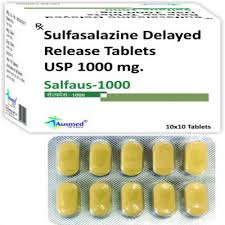
Sulfasalazine is a medication that is commonly prescribed to treat certain inflammatory conditions, including inflammatory bowel disease (IBD), rheumatoid arthritis, and ulcerative colitis. It is classified as a disease-modifying antirheumatic drug (DMARD) and works by reducing inflammation in the body. This article will explore the uses, benefits, side effects, and warnings associated with sulfasalazine.
Uses:
Sulfasalazine is primarily used to manage various inflammatory conditions. Here are some common conditions that sulfasalazine is prescribed for:
1. Inflammatory Bowel Disease (IBD): Sulfasalazine is particularly effective in reducing symptoms associated with ulcerative colitis and Crohn’s disease, two types of IBD. It helps alleviate abdominal pain, diarrhea, and rectal bleeding.
2. Rheumatoid Arthritis (RA): Sulfasalazine can be an effective treatment for individuals with RA. It helps to reduce joint pain, swelling, and stiffness, thereby improving overall joint function.
3. Juvenile Idiopathic Arthritis (JIA): In children with JIA, sulfasalazine can be prescribed to manage symptoms such as joint pain and inflammation. It may help improve mobility and facilitate normal growth.
Benefits:
There are several benefits associated with using sulfasalazine for the treatment of inflammatory conditions. Some of these benefits include:
1. Reduced Inflammation: Sulfasalazine works by inhibiting the production of certain chemicals that cause inflammation in the body. By reducing inflammation, it helps alleviate the pain, swelling, and other symptoms associated with various conditions.
2. Improved Quality of Life: By effectively managing symptoms, sulfasalazine helps improve the overall quality of life for individuals living with inflammatory conditions. It allows them to engage in daily activities with less discomfort and pain.
3. Disease Modification: Sulfasalazine has disease-modifying properties, particularly in rheumatoid arthritis. It can slow down joint damage and deformities, preserving joint function and mobility in the long term.
Side Effects:
While sulfasalazine can be beneficial in managing inflammatory conditions, it may also cause certain side effects. Common side effects associated with sulfasalazine include:
1. Gastrointestinal Distress: Some individuals may experience mild to moderate gastrointestinal symptoms, such as nausea, vomiting, diarrhea, and loss of appetite. Taking the medication with food or adjusting the dosage can help minimize these side effects.
2. Allergic Reactions: In rare cases, sulfasalazine may cause allergic reactions, including skin rashes, itching, and swelling. If any allergic reactions occur, it is essential to seek immediate medical attention.
3. Blood Disorders: Sulfasalazine may cause a decrease in white blood cells, which can increase the risk of infections. It may also lower platelet count, leading to potential bleeding problems. Regular blood tests are typically recommended to monitor blood cell counts.
Warnings:
It is important to be aware of certain warnings associated with the use of sulfasalazine. Some important considerations include:
1. Hypersensitivity: Individuals who are allergic to sulfa drugs or salicylates should avoid sulfasalazine due to the risk of severe allergic reactions.
2. Liver and Kidney Function: Sulfasalazine is metabolized by the liver and excreted by the kidneys. Therefore, individuals with impaired liver or kidney function should exercise caution and consult their healthcare provider before taking this medication.
3. Pregnancy and Breastfeeding: Sulfasalazine should be used with caution during pregnancy and breastfeeding. The potential risks and benefits should be discussed with a healthcare provider to ensure the safety of both the mother and the baby.
FAQs:
It is important to consult with your healthcare provider about any medications you are currently taking, as sulfasalazine may interact with certain drugs, such as blood thinners or methotrexate.
The onset of action may vary from person to person. Some individuals may notice an improvement in symptoms within a few weeks, while others may require several months for full effectiveness.
Yes, sulfasalazine can be prescribed for children with certain conditions, such as juvenile idiopathic arthritis (JIA). However, the dosage and administration should be determined by a healthcare professional.
Generally, no specific dietary restrictions are required while taking sulfasalazine. However, it is advisable to maintain a healthy and balanced diet to support overall well-being.
It is important to follow the recommended treatment plan and consult your healthcare provider before discontinuing sulfasalazine. Abruptly stopping the medication may lead to a worsening of symptoms or potential side effects.
conclusion
In conclusion, sulfasalazine is a valuable medication used to manage various inflammatory conditions. Understanding its uses, benefits, side effects, and warnings can help individuals make informed decisions in consultation with their healthcare providers. It is crucial to follow the prescribed dosage and any additional instructions to ensure optimal effectiveness and minimize potential risks.






