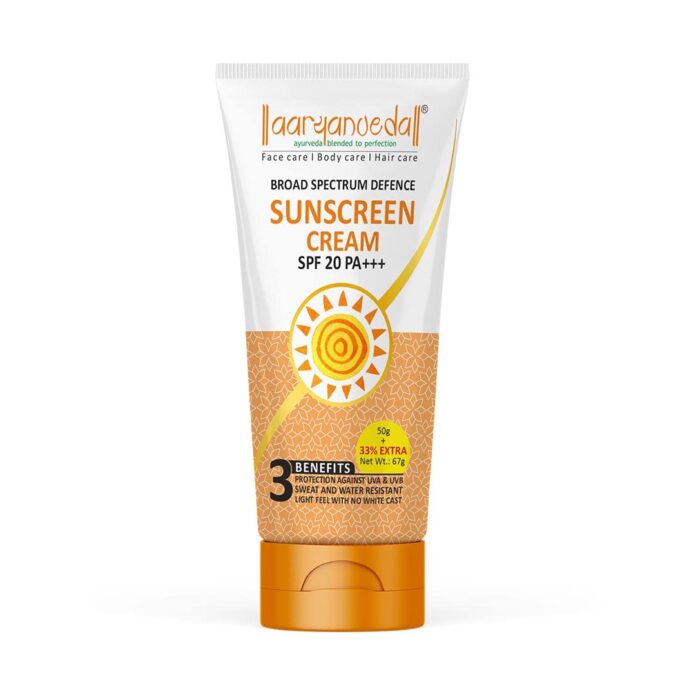
Sunscreen is a topical medication that is applied to the skin to protect it from the harmful effects of the sun’s ultraviolet (UV) rays. It acts as a barrier between the skin and the sun, preventing sunburn, premature aging, and reducing the risk of skin cancer. Sunscreen is available in various forms such as lotions, creams, gels, sprays, and sticks, making it convenient for everyone to use.
Uses
The primary use of sunscreen is to protect the skin from the damaging effects of the sun. It blocks both UVA and UVB rays, which can cause sunburn, skin damage, and an increased risk of skin cancer. Regular use of sunscreen can help prevent these harmful effects and keep your skin healthy.
Benefits
Using sunscreen regularly offers several benefits, including:
1. Sunburn prevention: Sunscreen shields your skin from the sun’s intense rays, reducing the risk of painful sunburns.
2. Skin cancer protection: Prolonged exposure to the sun without protection can increase the chances of developing skin cancer. Sunscreen helps minimize this risk.
3. Anti-aging effects: Sunscreen protects against photoaging, which leads to premature wrinkles, fine lines, and age spots. It keeps your skin youthful and radiant.
4. Reduces the risk of sun-related diseases: Sunscreen lowers the risk of various sun-related conditions, including actinic keratosis, sun poisoning, and melasma.
Side Effects
While sunscreen is generally safe for most people, some individuals may experience mild side effects, such as:
1. Skin irritation: Certain sunscreen formulations may irritate sensitive skin, causing redness, itching, or a rash. Opting for hypoallergenic or mineral-based sunscreens may help minimize this risk.
2. Allergic reactions: Some individuals may be allergic to specific sunscreen ingredients, leading to allergic reactions like hives, swelling, or difficulty breathing. It’s important to read the labels and choose sunscreens suitable for your skin type.
3. Acne flare-ups: Some sunscreens contain oils or comedogenic ingredients that can clog pores and trigger acne breakouts. Look for non-comedogenic or oil-free formulations if you have acne-prone skin.
Warnings
While sunscreen is generally safe, there are a few precautions to keep in mind:
1. Avoid sunscreens with oxybenzone: Oxybenzone, a common ingredient in many sunscreens, has raised concerns about its potential hormone-disrupting effects. Consider using sunscreens with alternative ingredients like zinc oxide or titanium dioxide.
2. Reapply as directed: Sunscreen effectiveness diminishes over time, especially with sweating, swimming, or extended sun exposure. Reapply sunscreen every two hours or as directed on the product label.
3. Use sufficient amount: To ensure proper protection, apply sunscreen generously and evenly to all exposed skin areas. Using too little may reduce its effectiveness.
4. Store properly: Sunscreens should be stored in a cool, dry place away from direct sunlight. Exposure to high temperatures can degrade the product and reduce its efficacy.
5. Check expiration dates: Expired sunscreen may lose its effectiveness and not provide the desired protection. Always check the expiration date before using sunscreen.
FAQs
Sunscreen provides a high level of protection but cannot guarantee complete shielding. It is essential to combine sunscreen with other sun protection measures like seeking shade, wearing protective clothing, and avoiding peak sun hours.
Yes, clouds do not block UV rays entirely. UV radiation can still reach your skin, leading to sunburn and skin damage. Applying sunscreen on cloudy days is crucial to protect your skin.
Babies under six months old have delicate skin, and it is best to avoid sunscreen. Instead, protect them from the sun by keeping them in the shade, using protective clothing, and avoiding sun exposure during peak hours.
Yes, there are sunscreens formulated specifically for sensitive skin. Look for hypoallergenic or mineral-based sunscreens that are less likely to cause irritation or allergic reactions.
Using expired sunscreen is not recommended as it may not provide sufficient protection. It is best to check the expiration date and replace any expired products to ensure proper sun protection.






 rays.)