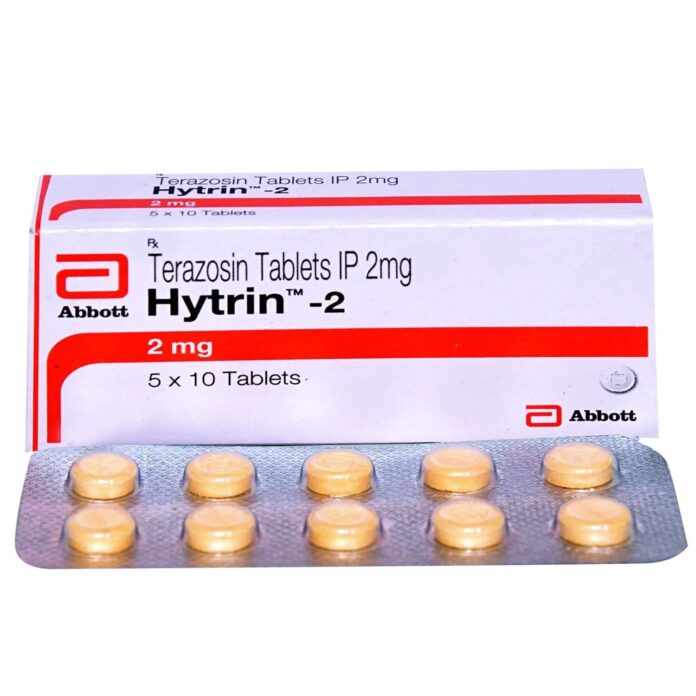
Terazosin is a medication that belongs to a class of drugs known as alpha-1 adrenergic blockers. It is primarily used to treat high blood pressure (hypertension). Terazosin works by relaxing the blood vessels, allowing the blood to flow more easily, which helps in keeping the blood pressure under control.
Uses
Terazosin is prescribed by healthcare professionals for the following uses:
- Hypertension Treatment: Terazosin is commonly prescribed to lower high blood pressure. By relaxing and widening the blood vessels, it helps to reduce blood pressure levels effectively.
- Benign Prostatic Hyperplasia (BPH) Treatment: Terazosin is also used to relieve symptoms associated with an enlarged prostate, a condition known as benign prostatic hyperplasia. It helps in relaxing the muscles in the prostate and bladder neck, facilitating easier urination.
Benefits
Using terazosin as prescribed can provide several benefits:
- Lowered Blood Pressure: Terazosin helps to reduce high blood pressure, which can decrease the risk of heart disease, stroke, and other serious conditions associated with hypertension.
- Improved Urination: Terazosin is effective in treating symptoms of an enlarged prostate, such as difficulty urinating and frequent urination. This medication helps relax the muscles in the prostate and bladder neck, making urination easier.
- Better Quality of Life: By effectively addressing symptoms of hypertension and BPH, terazosin can improve the overall quality of life for individuals suffering from these conditions. It allows individuals to engage in daily activities without the limitations caused by high blood pressure or urinary problems.
Side Effects
As with any medication, terazosin is associated with several potential side effects. These may include:
- Low Blood Pressure: Terazosin can cause a sudden decrease in blood pressure, resulting in dizziness, lightheadedness, or fainting. This is more likely to occur when first starting the medication or if the dosage is increased.
- Drowsiness or Fatigue: Some people may experience drowsiness or fatigue while taking terazosin. It is advisable to avoid operating heavy machinery or driving until you know how this medication affects you.
- Headache or Dizziness: Terazosin may cause headache or dizziness, especially during the initial period of treatment. These symptoms usually subside as the body adjusts to the medication.
- Nasal Congestion: In rare cases, terazosin can cause nasal congestion or stuffy nose.
- Sexual Dysfunction: Some men may experience sexual dysfunction, such as difficulty achieving or maintaining an erection, while taking terazosin. This side effect is relatively uncommon but should be discussed with a healthcare professional if it occurs.
Warnings
Before considering terazosin as a treatment option, it is important to be aware of the following warnings:
- Pregnancy and Breastfeeding: Terazosin is generally not recommended for use during pregnancy or breastfeeding. It is important to consult with a healthcare professional before taking this medication.
- Medical Conditions: Individuals with certain medical conditions, such as liver or kidney disease, should use terazosin with caution. It is crucial to inform your healthcare professional about any pre-existing health conditions.
- Interactions with Other Medications: Terazosin can interact with other medications or substances, such as alpha-blockers, erectile dysfunction medications, or alcohol. It is essential to inform your healthcare professional about any other medications you are taking.
FAQs (Frequently Asked Questions)
Yes, terazosin can be taken with other blood pressure medications, but it is crucial to consult with a healthcare professional to ensure there are no potential interactions.
No, terazosin is a prescription medication and should only be used under the supervision of a healthcare professional.
The effects of terazosin can usually be noticed within a few hours to a few days. However, it may take several weeks to experience the full benefits of the medication.
Weight gain is not a commonly reported side effect of terazosin.
No, it is not recommended to stop taking terazosin abruptly. Doing so may lead to a sudden increase in blood pressure. It is essential to consult with a healthcare professional before discontinuing this medication.






