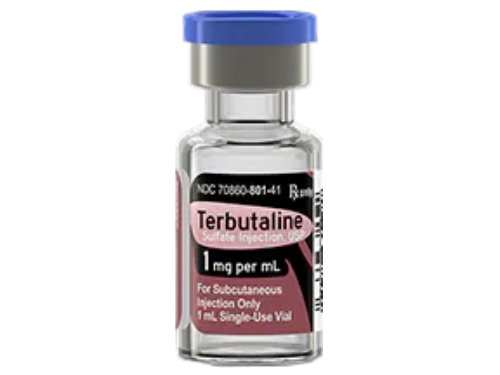
Terbutaline is a medication that is commonly prescribed to treat and prevent symptoms of asthma and other lung diseases. It belongs to a class of drugs known as beta-agonists, which work by relaxing the muscles in the airways, making it easier to breathe. This article will explore the uses, benefits, side effects, and warnings associated with Terbutaline.
Uses
Terbutaline is primarily used to manage and relieve symptoms of asthma, a chronic respiratory condition characterized by inflammation and narrowing of the airways. It is also prescribed for chronic obstructive pulmonary disease (COPD) and other lung diseases that cause airflow obstruction. This medication helps in the prevention of breathing difficulties and wheezing, enabling individuals to lead a more active and normal life.
Benefits
The key benefit of Terbutaline is its ability to rapidly relieve bronchospasms, a sudden constriction of the airways that causes breathing difficulties. By relaxing the smooth muscles in the airways, Terbutaline helps to open up the air passages and restore normal airflow. This results in immediate relief from symptoms such as wheezing, shortness of breath, and chest tightness.
Furthermore, Terbutaline can also be prescribed to prevent exercise-induced asthma symptoms. By taking this medication prior to engaging in physical activity or exercise, individuals with asthma can reduce the chances of experiencing bronchospasms triggered by exercise.
Side Effects
While Terbutaline is generally well-tolerated, some individuals may experience certain side effects. Common side effects include headache, dizziness, tremors, nervousness, nausea, and increased heart rate. These side effects are usually mild and resolve on their own, but if they persist or worsen, it is important to consult a healthcare professional.
Rare but potentially serious side effects include chest pain, irregular heartbeat, changes in blood pressure, and allergic reactions. Seek immediate medical attention if any of these symptoms occur.
Warnings
It is crucial to consider certain warnings and precautions before using Terbutaline. The medication should not be used by individuals who have an allergy to Terbutaline or any other beta-agonists. Additionally, individuals with certain medical conditions such as heart disease, high blood pressure, diabetes, hyperthyroidism, and seizures should consult their healthcare providers before taking Terbutaline.
Women who are pregnant or breastfeeding should also seek medical advice before using this medication, as it may have potential risks to the fetus or infant.
Terbutaline should be used with caution in elderly patients, as they may be more prone to experiencing side effects such as heart-related complications.
In conclusion, Terbutaline is a medication commonly used to treat and prevent asthma symptoms, allowing individuals to have better control over their breathing. While it provides numerous benefits, it is essential to be aware of the potential side effects and warnings associated with its usage. Always consult a healthcare professional before starting Terbutaline or any other medication to ensure its suitability for your specific condition.
FAQs
Yes, Terbutaline can be used as a rescue inhaler to quickly relieve asthma symptoms during an attack. However, it is crucial to consult a healthcare professional for proper guidance on its usage and to develop an asthma management plan.
No, Terbutaline is not addictive. However, it is essential to follow the prescribed dosage and not exceed the recommended frequency of use.
Terbutaline can be prescribed to children above the age of 12 for the treatment of asthma. For children under 12 years old, alternative medications may be recommended.
Certain medications, such as beta-blockers, may interact with Terbutaline, potentially reducing its effectiveness or increasing its side effects. It is important to inform your healthcare provider about all the medications, including over-the-counter drugs and herbal supplements, that you are taking.
Terbutaline is typically used for short-term relief of asthma symptoms and prevention of exercise-induced bronchospasms. Long-term use of Terbutaline may be necessary in some cases, but this should be under the guidance and supervision of a healthcare professional to monitor its effectiveness and manage potential side effects.






