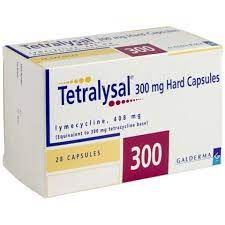
Tetralysal is a medication prescribed to treat various bacterial infections. It is an oral antibiotic that contains the active ingredient lymecycline. Tetralysal is commonly prescribed for acne and respiratory infections. In this article, we will discuss the uses, benefits, side effects, and warnings of Tetralysal.
Uses
Tetralysal is used to treat a variety of bacterial infections. It is most commonly prescribed for acne, as it is effective in reducing the inflammation and redness associated with it. Additionally, Tetralysal is used to treat respiratory infections, such as bronchitis and pneumonia, as well as infections of the soft tissue, such as cellulitis. It may also be prescribed for urinary tract infections and sexually transmitted infections, like chlamydia and gonorrhea.
Benefits
Tetralysal is beneficial in treating bacterial infections due to its ability to target and kill the bacteria causing the infection. It is a broad-spectrum antibiotic, which means it is effective against a range of different types of bacteria. Additionally, Tetralysal has anti-inflammatory properties, which is why it is commonly prescribed for acne. It reduces inflammation and redness, leading to clearer skin.
Side Effects
As with any medication, Tetralysal may cause side effects. The most common side effects include diarrhea, nausea, stomach pain, and vomiting. These side effects are typically mild and go away on their own within a few days of starting the medication. However, if these symptoms become severe or persistent, it is important to speak with a healthcare provider. In rare cases, Tetralysal can cause a severe allergic reaction. Symptoms of an allergic reaction include rash, itching, swelling, severe dizziness, and trouble breathing. If you experience any of these symptoms, seek medical attention immediately.
Warnings
Tetralysal should not be taken by individuals who are allergic to lymecycline or any other tetracyclines. It is important to disclose any medical conditions or allergies to your doctor before starting Tetralysal. Additionally, Tetralysal should not be taken by pregnant or breastfeeding individuals. It may also interact with other medications, so it is important to inform your doctor of any other medications you are taking. Tetralysal can make your skin more sensitive to sunlight, so be sure to use sunscreen and limit your time in the sun while taking this medication.
FAQs
- How long does it take for Tetralysal to work?
The length of time it takes for Tetralysal to work depends on the condition being treated. In general, it may take several weeks for acne to clear up, while respiratory infections may start to improve within a few days of starting the medication.
- Can Tetralysal be taken with food?
Tetralysal can be taken with or without food. However, taking it with food may help reduce the likelihood of stomach upset
- Can Tetralysal be used to treat viral infections?
No, Tetralysal is only effective against bacterial infections and should not be used to treat viral infections, such as the flu or common cold.
- Can Tetralysal cause birth defects?
Tetralysal should not be taken by pregnant individuals, as it can cause harm to the developing fetus. It is unknown if Tetralysal can cause birth defects in humans.
- Can Tetralysal be taken long-term?
Tetralysal should only be taken as prescribed by a healthcare provider. It is generally not recommended to take Tetralysal for more than 6 months, as it may lead to bacterial resistance and decreased effectiveness of the medication.
.






