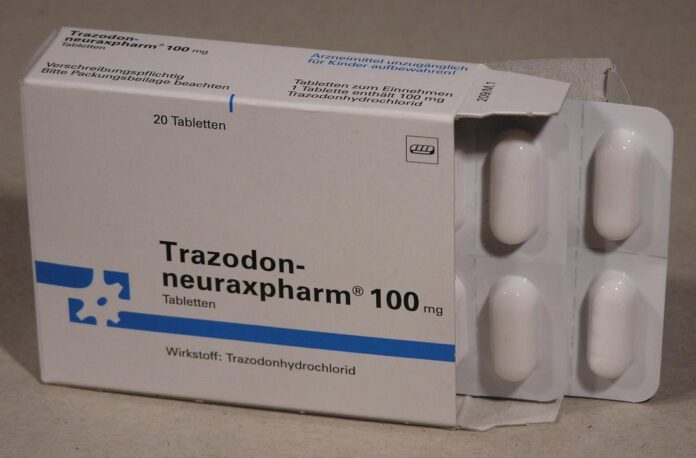
Trazodone is a medication used primarily to treat major depressive disorder. It belongs to a class of drugs known as serotonin modulators, which work by balancing certain chemicals in the brain to improve mood and emotions. Here, we will explore the uses, benefits, side effects, and warnings associated with trazodone.
Uses
Trazodone is primarily prescribed for the treatment of major depressive disorder. It may be used on its own or in combination with other antidepressants. Additionally, trazodone may be prescribed off-label for other conditions, such as insomnia, anxiety disorders, and chronic pain.
Benefits
Trazodone offers several potential benefits for individuals with major depressive disorder. By regulating brain chemicals, it can help improve mood, reduce feelings of sadness, and increase energy levels. Trazodone may also help with sleep disturbances commonly associated with depression, allowing individuals to get a restful night’s sleep.
For those struggling with insomnia, trazodone’s sedative properties can be particularly beneficial. It can help promote healthy sleep patterns, decrease the time it takes to fall asleep, and reduce nighttime awakenings. When used as a sleep aid, trazodone is usually prescribed at lower doses than for depression treatment.
Side Effects
Like any medication, trazodone may cause side effects. Common side effects include drowsiness, dizziness, dry mouth, blurred vision, constipation, and headache. These side effects are generally mild and may subside as the body adjusts to the medication. However, if they persist or become severe, it is important to consult a healthcare professional.
Less common but more serious side effects of trazodone may include changes in heart rhythm, persistent nausea or vomiting, priapism (a painful prolonged erection), or allergic reactions. If any of these occur, immediate medical attention is necessary. Trazodone may also interact with certain medications, so it is crucial to inform your healthcare provider about any other drugs you are taking.
Warnings
Trazodone should be used with caution and under the guidance of a healthcare professional, particularly in individuals with a history of heart problems, bipolar disorder, glaucoma, or seizures. The use of trazodone is not recommended during pregnancy or breastfeeding, as its effects on fetal development and newborns are not well-studied.
It is important to follow the prescribed dosage and not exceed it. Suddenly stopping trazodone can result in withdrawal symptoms, including anxiety, irritability, and insomnia. Therefore, it is essential to consult with a healthcare professional to safely discontinue trazodone if needed.
Always consult a healthcare professional for specific recommendations and guidance regarding trazodone or any other medication.
Frequently Asked Questions
Yes, trazodone is commonly used off-label as a sleep aid due to its sedative properties. However, it should only be taken under the guidance of a healthcare professional.
The effects of trazodone on depression may take several weeks to become noticeable. It is important to continue taking the medication as prescribed, even if improvements are not immediate.
Trazodone is generally considered weight-neutral, meaning it does not typically cause significant weight gain. However, individual responses may vary.
Trazodone is not considered addictive. It does not produce the same addictive effects as substances like opioids or benzodiazepines. However, sudden discontinuation of trazodone may lead to withdrawal symptoms.
The safety and efficacy of trazodone in children and adolescents have not been well-established. It is primarily prescribed to adults and elderly populations under close supervision.






