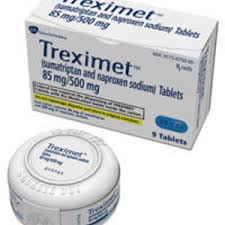
Treximet is a combination medication used to relieve symptoms that arise during a migraine attack. It contains two active ingredients – sumatriptan and naproxen sodium – that work together to relieve pain, inflammation, and other symptoms of migraines.
Uses
Treximet is used to treat migraine headaches. It is not a preventative medication and should only be taken when a migraine attack occurs. The medication is intended to relieve symptoms such as pain, nausea, and sensitivity to light and sound.
Benefits
Treximet provides relief for migraine sufferers by working to alleviate the main symptoms associated with a migraine. The drug is designed to take effect quickly, typically within one hour of taking the medication. By targeting the source of pain and inflammation, it can help to improve overall quality of life for those suffering from migraines.
Side Effects
Some of the common side effects associated with Treximet include nausea, vomiting, diarrhea, stomach pain, indigestion, and dizziness. In rare cases, more serious side effects may occur, such as chest pain, shortness of breath, severe stomach pain, or a skin rash. If any of these symptoms occur, patients should immediately stop taking the medication and seek medical attention.
Warnings
Treximet should not be taken by individuals with a history of heart disease, a recent heart attack, or a history of stroke. It should also not be taken by individuals with uncontrolled high blood pressure, liver or kidney disease, or a history of stomach ulcers or bleeding. Patients with a known allergy to the medication or any of its components should not take Treximet.
Patients should not take Treximet with other migraine medications or within 24 hours of taking the medication. The medication should be used with caution in individuals with a history of seizures or who are taking medications that increase the risk of seizures.
FAQs
No, Treximet is only intended to treat symptoms that arise during a migraine attack.
Treximet typically takes effect within one hour of taking the medication.
Some of the most common side effects associated with Treximet include nausea, vomiting, diarrhea, stomach pain, indigestion, and dizziness.
Individuals with heart disease, a recent heart attack or stroke, uncontrolled high blood pressure, liver or kidney disease, or a history of stomach ulcers or bleeding should not take Treximet.
Treximet should not be taken with other migraine medications or within 24 hours of taking the medication. It should be used with caution in individuals taking medications that increase the risk of seizures.






