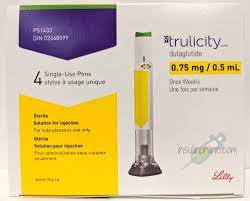
Uses
Trulicity Subcutaneous is a prescription medication that is used to treat type 2 diabetes. It belongs to a class of drugs called glucagon-like peptide-1 (GLP-1) receptor agonists. Trulicity works by increasing insulin release and reducing glucose production in the body.
This medication is typically used in conjunction with diet and exercise to control blood sugar levels in adults with type 2 diabetes. It can help improve glycemic control and reduce the risk of certain diabetes-related complications, such as heart disease and kidney damage.
Benefits
Trulicity offers several benefits for individuals with type 2 diabetes. By helping to regulate blood sugar levels, it can reduce the risk of hyperglycemia (high blood sugar) and hypoglycemia (low blood sugar) episodes. It may also aid in weight loss, as it can help suppress appetite and reduce food intake.
Additionally, Trulicity has been shown to have cardiovascular benefits. Clinical studies have demonstrated a reduction in the risk of major cardiovascular events, such as heart attack and stroke, in individuals taking Trulicity compared to those taking a placebo.
Side Effects
As with any medication, Trulicity Subcutaneous can cause side effects. Common side effects may include nausea, vomiting, diarrhea, and stomach pain. These side effects are usually mild and resolve on their own within a few days or weeks of starting the medication.
Less common but more serious side effects may include pancreatitis (inflammation of the pancreas), kidney problems, and allergic reactions. If you experience severe abdominal pain, persistent nausea or vomiting, dark urine, or yellowing of the skin or eyes, seek medical attention immediately.
Warnings
Before starting Trulicity Subcutaneous, it is important to inform your healthcare provider about any existing medical conditions or allergies you may have. It is also crucial to disclose all medications you are currently taking, as certain drugs may interact with Trulicity.
Trulicity is not recommended for individuals with type 1 diabetes or diabetic ketoacidosis. It should also be used with caution in individuals with a history of pancreatitis, kidney problems, or thyroid issues.
It is important to monitor your blood sugar levels regularly while taking Trulicity. If you experience symptoms of low blood sugar, such as dizziness, sweating, or confusion, consume a source of glucose immediately and contact your healthcare provider.
Pregnant or breastfeeding individuals should consult their healthcare provider before using Trulicity, as its safety during pregnancy and lactation has not been established.
FAQs
Trulicity is typically injected once a week. Your healthcare provider will determine the most appropriate dosage and frequency for your specific needs.
Yes, Trulicity can be used in combination with other diabetes medications, such as metformin or insulin. Your healthcare provider will determine the best treatment plan for you.
Trulicity has not been studied or approved for use in children. It is only indicated for adults with type 2 diabetes.
No, Trulicity is not associated with weight gain. In fact, it may aid in weight loss by reducing appetite and food intake.
It is generally safe to consume alcohol in moderation while taking Trulicity. However, excessive alcohol consumption can affect blood sugar control and should be avoided.