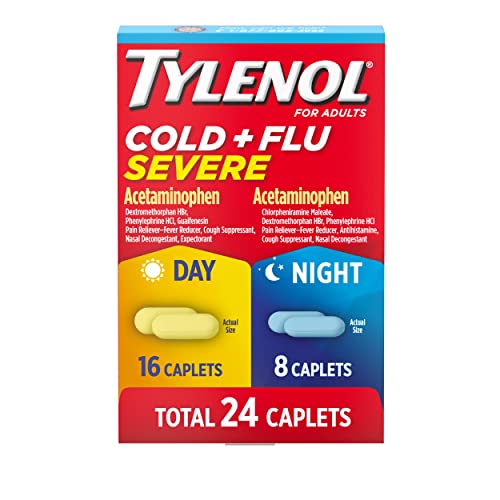
When the harsh season of cold and flu strikes, many individuals turn to medications that can help alleviate their symptoms and make them feel better. One such medicine that is commonly used is Tylenol Cold And Flu. This article aims to provide a comprehensive guide on the uses, benefits, side effects, and warnings associated with Tylenol Cold And Flu.
Uses
Tylenol Cold And Flu is an over-the-counter medication that is indicated for the temporary relief of symptoms associated with colds, flu, and allergies. These symptoms may include:
- Nasal congestion
- Sneezing
- Runny nose
- Cough
- Headache
- Fever
This medication contains active ingredients such as acetaminophen, dextromethorphan, and phenylephrine, which work together to relieve these symptoms and provide temporary relief.
Benefits
Tylenol Cold And Flu offers several benefits to individuals suffering from cold and flu symptoms. These include:
- Relief from nasal congestion, allowing for easier breathing
- Reduced sneezing and runny nose
- Suppression of cough to provide a better sleep
- Alleviation of headache and body aches
- Reduction in fever, promoting comfort and well-being
By targeting multiple symptoms simultaneously, Tylenol Cold And Flu aids in relieving the discomfort associated with colds and the flu, allowing individuals to get back to their daily activities more comfortably.
Side Effects
While Tylenol Cold And Flu is generally well-tolerated, it is essential to be aware of potential side effects. Some individuals may experience:
- Drowsiness or fatigue
- Dizziness
- Increased heart rate
- Upset stomach
- Allergic reactions such as skin rash or itching
If any of these side effects persist or worsen, it is advisable to consult a healthcare professional promptly. Additionally, it is crucial to follow the recommended dosage and not exceed the stated limits.
Warnings
Before taking Tylenol Cold And Flu, it is important to consider the following warnings:
- Do not take this medication if you are allergic to any of its active ingredients.
- Avoid consuming alcohol while taking Tylenol Cold And Flu, as it may increase the risk of liver damage.
- Individuals with certain medical conditions such as high blood pressure, heart disease, thyroid disorders, or diabetes should consult their doctor before using this medication.
- If you are taking any other prescription or over-the-counter medications, it is essential to inform your healthcare provider to prevent potential drug interactions.
- Pregnant or breastfeeding women should also consult their doctor before using Tylenol Cold And Flu to ensure its safety.
It is important to read the product label and follow the instructions carefully to ensure safe and effective use of this medication.
In conclusion, Tylenol Cold And Flu is a widely-used medication that offers temporary relief from cold, flu, and allergy symptoms. While it provides many benefits, individuals should be aware of potential side effects and follow the necessary precautions. Always consult a healthcare professional when in doubt about its usage or if you have specific conditions.
FAQs
Yes, Tylenol Cold And Flu provides relief from allergy symptoms as well.
Tylenol Cold And Flu should not be given to children under the age of 6 without consulting a pediatrician.
The recommended dosing interval is every 4 to 6 hours, not to exceed a total of 6 doses within 24 hours.
Before combining Tylenol Cold And Flu with other medications, it is advisable to consult a healthcare professional to prevent potential drug interactions.
Sometimes Tylenol Cold And Flu can cause drowsiness; therefore, it is important to avoid driving or operating heavy machinery if you feel excessively tired.






