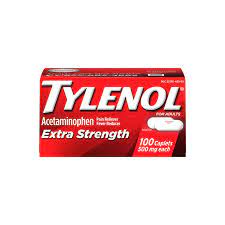
Tylenol is a brand name for the active ingredient, acetaminophen, which is used to relieve pain and reduce fever. It is available in over-the-counter (OTC) and prescription strengths, and is one of the most commonly used pain relievers in the world. This article will discuss the uses, benefits, side effects, and warnings of Tylenol.
Uses
Tylenol is primarily used to treat pain and reduce fever. It can be used for headaches, toothaches, menstrual cramps, back pain, and other types of pain. Tylenol does not reduce inflammation, which means it is not effective for conditions like arthritis or other inflammatory conditions. It is also sometimes used in combination with other medications to treat cold and flu symptoms.
Benefits
Tylenol is a safe and effective pain reliever when used as directed. It is available in many different forms, including tablets, capsules, liquid, and suppositories, which makes it easy to take and appropriate for people of all ages. Tylenol is also one of the few pain relievers that can be safely used during pregnancy and breastfeeding, if used as directed.
Side Effects
While Tylenol is generally safe and well-tolerated, it can cause side effects in some people. The most common side effect is stomach upset, which can include nausea, vomiting, and stomach pain. Tylenol can also cause liver damage if taken in high doses or over long periods of time. Symptoms of liver damage can include abdominal pain, nausea, vomiting, and loss of appetite. In rare cases, Tylenol can also cause an allergic reaction, which can include hives, itching, and difficulty breathing.
Warnings
There are several warnings associated with Tylenol use. First and foremost, it is important to follow the dosing instructions carefully to avoid liver damage. Do not take more than the recommended dose or use Tylenol for longer than recommended. It is also important to avoid combining Tylenol with alcohol, as this can increase the risk of liver damage. If you have a history of liver disease or if you are taking other medications that can affect the liver, you should speak to your doctor before taking Tylenol. Finally, if you experience symptoms of an allergic reaction while taking Tylenol, stop taking the medication immediately and seek medical attention.
FAQs
- Can Tylenol be used for arthritis pain?
No, Tylenol does not reduce inflammation and is not effective for arthritis pain.
- Can Tylenol be used during pregnancy?
Yes, Tylenol is one of the few pain relievers that can be safely used during pregnancy and breastfeeding, if used as directed.
- How much Tylenol can I take in one day?
The recommended dosage depends on age and weight. Follow the dosing instructions on the label carefully.
- Can I take Tylenol with other medications?
It depends on the medication. Speak to your doctor or pharmacist before combining Tylenol with other medications.
- What should I do if I think I have taken too much Tylenol?
If you have taken more than the recommended dose of Tylenol, seek medical attention immediately. Symptoms of an overdose can include nausea, vomiting, abdominal pain, and yellowing of the skin or eyes.
conclusion
In conclusion, Tylenol is a widely used pain reliever and fever reducer. While it is generally safe and effective when used as directed, it is important to be aware of the possible side effects and warnings associated with its use. Always follow the dosing instructions carefully, and speak to your doctor if you have any concerns about using Tylenol.






