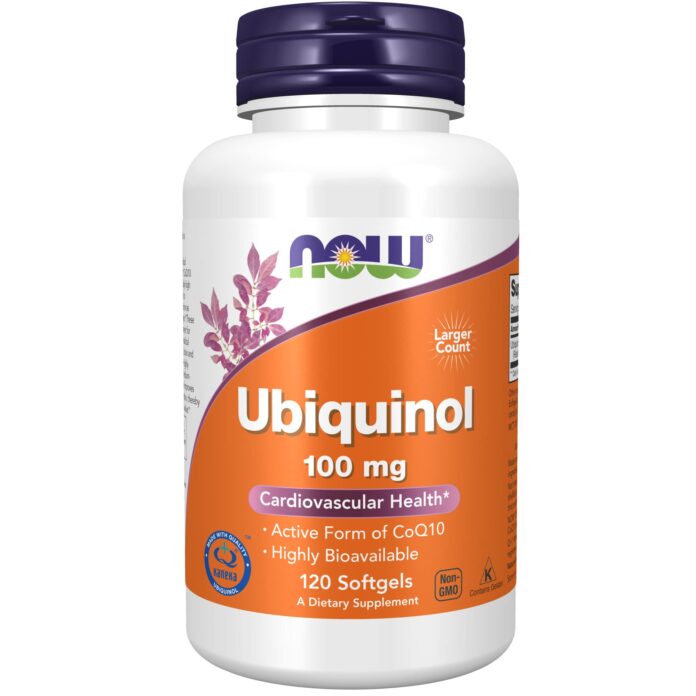
Uses
Ubiquinol is a form of an enzyme called coenzyme Q10 (CoQ10) that is naturally produced in the body. It is found in high concentrations in organs with high energy requirements such as the heart, liver, and kidneys. Ubiquinol is used as a dietary supplement to support various health conditions and improve overall well-being.
Benefits
Ubiquinol has numerous health benefits. It is primarily known for its role in supporting cardiovascular health. It helps to maintain a healthy heart by promoting energy production, reducing oxidative stress, and supporting healthy blood pressure levels. Additionally, ubiquinol plays a crucial role in supporting overall cellular energy production and boosting the immune system.
Side Effects
Ubiquinol is generally well-tolerated when taken within recommended doses. However, like any supplement, it may have some side effects that can vary from person to person. These may include occasional digestive discomfort, nausea, diarrhea, or headaches. If you experience any severe side effects or allergic reactions, it is important to seek medical assistance immediately.
Warnings
While ubiquinol is generally safe for most individuals, there are certain precautions to consider. If you are pregnant, breastfeeding, or have any underlying medical conditions, it is advisable to consult with your healthcare provider before starting ubiquinol supplementation. Additionally, individuals taking any prescription medications should inform their doctor, as ubiquinol can interact with certain drugs.
FAQs (Frequently Asked Questions)
The recommended dosage of ubiquinol may vary depending on the individual’s age, health condition, and specific requirements. It is advisable to follow the instructions provided on the product packaging or consult with a healthcare professional for personalized dosage recommendations.
Ubiquinol may interact with certain medications, including blood thinners, statins, and chemotherapy drugs. It is important to inform your healthcare provider about all the medications you are taking to avoid any potential interactions.
No, ubiquinol is not found in significant quantities in natural food sources. However, its precursor, CoQ10, can be obtained from certain foods such as meat, fish, and whole grains.
No, ubiquinol should not be used as a substitute for prescribed medications. It can be used as a complementary supplement to support overall health and well-being, but it is important to rely on medical advice and continue any prescribed treatments as recommended by your healthcare professional.
The time required to experience the benefits of ubiquinol may vary from person to person. It is important to understand that ubiquinol is not an instant solution and may take several weeks or even months to demonstrate noticeable effects. Consistency in taking the supplement is key to achieving optimal results.






