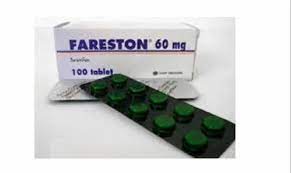
Fareston is a medicine that belongs to a group of drugs known as selective estrogen receptor modulators. It is used to treat breast cancer, as well as prevent the recurrence of breast cancer in women who have already undergone surgery, radiation, or chemotherapy. Fareston is also sometimes used to treat infertility in women and to reduce the risk of fractures in men with osteoporosis.
Uses
Fareston is commonly used to treat advanced breast cancer, or breast cancer that has spread to other parts of the body. It works by blocking the action of estrogen in the breast tissue, which helps to slow or stop the growth of cancer cells. Fareston is often used in women who have undergone menopause, as they are at higher risk of developing breast cancer.
Fareston is also used to prevent the recurrence of breast cancer in women who have already undergone surgery, radiation, or chemotherapy. It may be prescribed if the cancer was found to be hormone receptor-positive, meaning it is stimulated by estrogen.
Benefits
The main benefit of Fareston is its ability to slow or stop the growth of breast cancer cells. This can help to prevent the cancer from spreading to other parts of the body and improve the chances of survival. Additionally, Fareston can help to reduce the risk of fractures in men with osteoporosis and treat infertility in women.
Side Effects
Like all medicines, Fareston can cause side effects. Common side effects of Fareston include hot flashes, vaginal discharge, changes in menstrual periods, and nausea. Some women may also experience vaginal bleeding, dizziness, fatigue, and decreased appetite.
Less common side effects of Fareston may include blood clots, strokes, and uterine cancer. These side effects are rare, but it is important to seek medical attention if you experience any unusual symptoms while taking Fareston.
Warnings
Before taking Fareston, it is important to inform your doctor if you have any allergies or medical conditions, including liver or kidney disease. Fareston may interact with other medicines, so it is important to let your doctor know if you are taking any other medications, including over-the-counter drugs and herbal supplements.
Fareston should not be taken during pregnancy, as it may harm the developing fetus. Women who are breastfeeding should also avoid taking Fareston, as it may be passed to the baby through breast milk.
FAQs
Fareston is taken orally, usually once a day. It can be taken with or without food.
Fareston cannot cure breast cancer, but it can help to slow or stop the growth of cancer cells, and prevent the cancer from spreading.
If you miss a dose of Fareston, take it as soon as you remember. However, if it is almost time for your next dose, skip the missed dose and continue with your regular dosing schedule.
It is recommended that you avoid drinking alcohol while taking Fareston, as it may increase the risk of liver problems.
Fareston may be covered by insurance, but it is important to check with your provider to determine your coverage.






