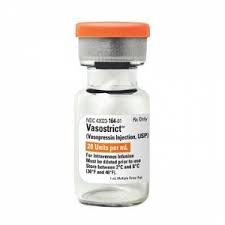
Vasostrict is a prescription medication that is primarily used in hospital settings. It is a brand name for Vasopressin, which is a hormone used to treat certain conditions. Vasopressin has various physiological functions, which include vasoconstriction, water retention, and the regulation of the body’s blood pressure. Vasostrict works by narrowing blood vessels, which helps to increase blood pressure in certain medical conditions.
Uses
Vasostrict is primarily used for medical emergencies that require immediate attention, such as cardiac arrest, septic shock, and hypovolemic shock. In these conditions, Vasostrict works by narrowing the blood vessels, which increases blood pressure, and helps to improve blood flow to vital organs such as the brain and the heart. It is also used to control bleeding in certain surgical and medical procedures.
Benefits
The primary benefit of Vasostrict is its ability to increase blood pressure in critical medical conditions. By narrowing blood vessels, it also helps to improve blood flow to vital organs, such as the heart and the brain, which can help to prevent organ damage and improve patients’ outcomes.
Vasostrict can also be beneficial in controlling bleeding in certain surgical procedures where there is a risk of bleeding. It can also be used to treat diabetes insipidus, a condition in which the body produces an excessive amount of urine, leading to dehydration and electrolyte imbalances.
Side Effects
Like any medication, Vasostrict has the potential to cause side effects. Some common side effects of Vasostrict include:
– Nausea and vomiting
– Abdominal cramping
– Skin rash and itching
– Headache
– Dizziness
– Arrhythmias
– Hypertension
– Hyponatremia
If you experience any of these side effects, you should notify your healthcare provider immediately. In rare cases, Vasostrict may cause life-threatening side effects such as anaphylaxis, pulmonary edema, and myocardial ischemia.
Warnings
Vasostrict should not be used in patients with a history of hypersensitivity to Vasopressin or any of its components. It should also be used with caution in patients with a history of asthma, epilepsy, or heart disease.
Before using Vasostrict, you should inform your healthcare provider about any medications you are currently taking, including over-the-counter medications, vitamins, supplements, and herbal products. Vasostrict may interact with certain medications, such as lithium, which can increase the risk of toxicity.
Women who are pregnant or breastfeeding should not use Vasostrict unless it is necessary and only under the supervision of a healthcare provider.
FAQs
Vasostrict is usually administered through intravenous infusion or injection.
Vasostrict should not be used during pregnancy unless it is necessary and only under the supervision of a healthcare provider.
Some possible side effects of Vasostrict include nausea, vomiting, abdominal cramping, rash, headache, dizziness, arrhythmias, hyponatremia, and hypertension.
Yes, Vasostrict can be used to treat diabetes insipidus, a condition in which the body produces an excessive amount of urine, leading to dehydration and electrolyte imbalances.
Vasostrict works by narrowing blood vessels, which helps to increase blood pressure and improve blood flow to vital organs.






