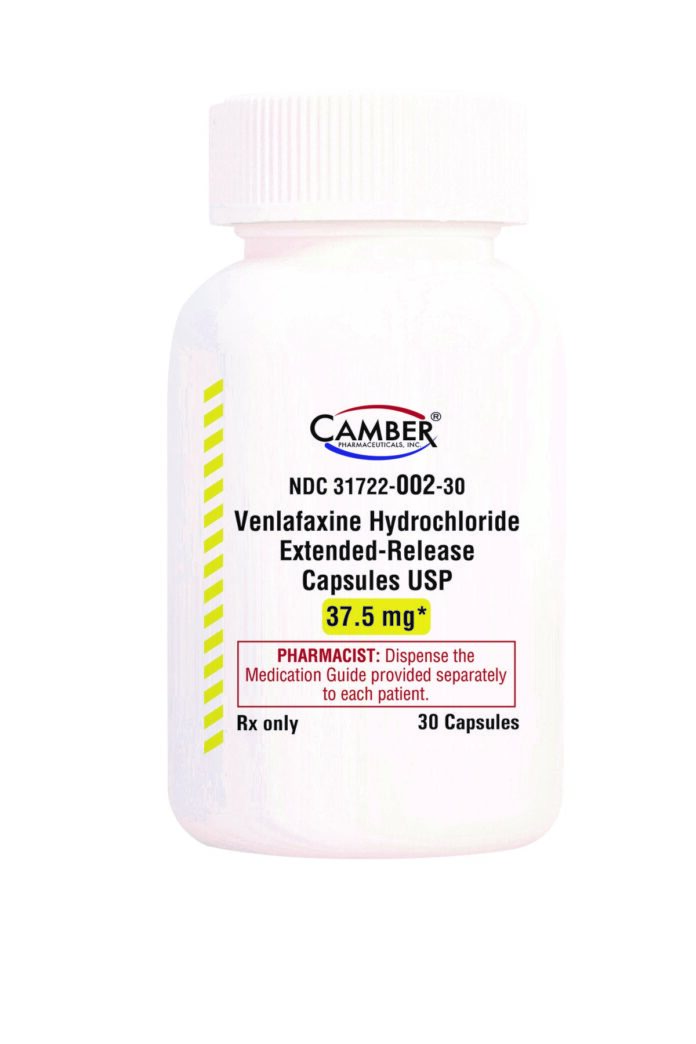
Uses:
Venlafaxine is a medication that belongs to the class of antidepressants known as selective serotonin and norepinephrine reuptake inhibitors (SSNRIs). It is primarily prescribed to treat major depressive disorder (MDD), generalized anxiety disorder (GAD), panic disorder, and social anxiety disorder. This medication works by restoring the balance of certain natural substances (serotonin and norepinephrine) in the brain, thereby improving mood, energy levels, and overall well-being.
Benefits:
Venlafaxine has proven to be effective in managing symptoms associated with various mental health conditions. It helps alleviate depression, reduces anxiety levels, and improves quality of life in individuals suffering from these disorders. Many patients have reported an enhanced sense of well-being, improved mood, increased motivation, and a reduction in negative thoughts and feelings after using Venlafaxine.
Side Effects:
Like any medication, Venlafaxine may cause certain side effects. Common side effects include drowsiness, dizziness, nausea, dry mouth, loss of appetite, constipation, headache, and sleep disturbances. These side effects are usually temporary and tend to subside as the body adjusts to the medication. However, if these effects persist or worsen, it is important to consult a healthcare professional.
Less frequently, Venlafaxine may cause more serious side effects that require immediate medical attention. These can include: severe dizziness, increased heart rate, difficulty urinating, unusual bleeding, easy bruising, black stool, severe vomiting, or signs of serotonin syndrome (such as agitation, hallucinations, rapid heartbeat, fever, tremors, or muscle stiffness). In such cases, seek medical help right away.
Warnings:
Venlafaxine should only be taken under the guidance and prescription of a healthcare professional. Certain precautions should be observed before initiating treatment:
1. Allergies: Inform your doctor if you are allergic to Venlafaxine or have any other allergies. The medication may contain inactive ingredients that could cause allergic reactions or other problems.
2. Medical History: Provide your doctor with a detailed medical history, especially if you have a history of certain conditions such as heart problems, high blood pressure, liver disease, kidney disease, epilepsy or seizures, glaucoma, bleeding disorders, or a personal or family history of psychiatric disorders.
3. Pregnancy and Breastfeeding: Discuss the risks and benefits of using Venlafaxine during pregnancy or while breastfeeding. This medication may have potential risks to the developing fetus or nursing infants, so it is essential to consult your healthcare provider and weigh the potential benefits against the potential risks.
4. Interactions: Venlafaxine can interact with other medications, potentially increasing the risk of side effects or reducing the efficacy of the drugs involved. Inform your doctor about all the medications, supplements, and herbal products you are currently taking to avoid any possible interactions.
5. Withdrawal: Abruptly discontinuing Venlafaxine may lead to withdrawal symptoms such as dizziness, nausea, headache, irritability, insomnia, and electric shock sensations. To prevent or minimize these symptoms, it is important to gradually reduce the medication dosage as advised by your healthcare professional.
Frequently Asked Questions (FAQs):
Venlafaxine is primarily prescribed for depression, anxiety, panic disorder, and social anxiety disorder. It should only be used for other conditions if specifically directed by your doctor.
The effects of Venlafaxine may not be felt immediately. It can take several weeks before the medication reaches its full therapeutic potential. It is essential to follow your doctor’s instructions and be patient during the initial stages of treatment.
Weight gain is a possible side effect of Venlafaxine. However, not everyone experiences weight gain while using this medication. If you are concerned about potential weight changes, discuss it with your healthcare provider.
Drinking alcohol while taking Venlafaxine is generally not recommended. Alcohol can intensify the side effects of this medication, making you feel more drowsy, dizzy, or impaired. It is advisable to consult your doctor regarding alcohol consumption while on Venlafaxine.
No, discontinuing Venlafaxine suddenly can lead to withdrawal symptoms. It is crucial to gradually reduce the dosage as recommended by your doctor to minimize these symptoms and ensure a safe and effective discontinuation of the medication.






.)