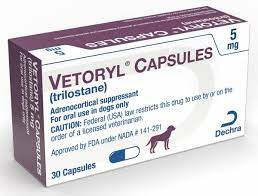
Vetoryl, also known as trilostane, is a medication that is used to treat Cushing’s disease in dogs. Cushing’s disease is a condition that occurs when the adrenal glands produce too much cortisol, a hormone that helps regulate the body’s response to stress. Vetoryl works by blocking the production of cortisol, which helps alleviate the symptoms of Cushing’s disease.
Uses
Vetoryl is primarily used to treat Cushing’s disease in dogs. The medication works by blocking the production of cortisol, a hormone that is produced by the adrenal glands. Dogs with Cushing’s disease typically have excessive levels of cortisol in their bloodstream, which can result in a variety of symptoms, including:
- Increased thirst and urination
- Increased appetite
- Lethargy
- Hair loss and skin problems
- Muscle wasting
- Abdominal distension
- Poor wound healing
By blocking the production of cortisol, Vetoryl helps alleviate these symptoms and improve the quality of life of dogs with Cushing’s disease.
Benefits
The primary benefit of Vetoryl is that it helps alleviate the symptoms of Cushing’s disease in dogs. Dogs that are treated with Vetoryl typically experience a significant reduction in thirst, appetite, and lethargy, as well as an improvement in their hair coat and skin health. In addition, Vetoryl can help reduce the risk of complications associated with Cushing’s disease, such as urinary tract infections, pancreatitis, and diabetes.
Side Effects
Like all medications, Vetoryl can cause side effects in some dogs. The most common side effects of Vetoryl include:
- Loss of appetite
- Vomiting
- Diarrhea
- Lethargy
- Weakness
- Dehydration
- Shaking or trembling
- Incoordination
- Increased thirst and urination
In rare cases, Vetoryl can cause more serious side effects, such as liver damage or adrenal insufficiency. It is important to monitor your dog closely while they are taking Vetoryl and to report any unusual symptoms to your veterinarian.
Warnings
There are a few important warnings to keep in mind when using Vetoryl. Firstly, Vetoryl should not be used in dogs that are pregnant or lactating, as the medication can be harmful to unborn or nursing puppies. In addition, Vetoryl should not be used in dogs with kidney or liver disease, as the medication can worsen these conditions. Finally, Vetoryl should not be used in dogs with a known allergy or sensitivity to trilostane.
It is important to follow your veterinarian’s instructions carefully when administering Vetoryl. The medication should be given at the same time each day and with food to help minimize the risk of side effects. Your veterinarian may also recommend periodic blood tests to monitor your dog’s liver and kidney function while they are taking Vetoryl.
FAQs
Vetoryl typically takes several weeks to start working. It is important to monitor your dog closely while they are taking Vetoryl and to report any changes in their symptoms to your veterinarian.
Vetoryl is not approved for use in treating any other conditions besides Cushing’s disease.
Vetoryl can interact with certain medications, including potassium-sparing diuretics and certain antifungal medications. Be sure to tell your veterinarian about any medications your dog is taking before starting Vetoryl.
Vetoryl is administered orally in the form of a tablet. The medication should be given at the same time each day and with food to help minimize the risk of side effects.
Vetoryl is generally safe for most dogs with Cushing’s disease. However, the medication should not be used in dogs that are pregnant or lactating, or in dogs with kidney or liver disease. Be sure to discuss any concerns with your veterinarian before starting your dog on Vetoryl.