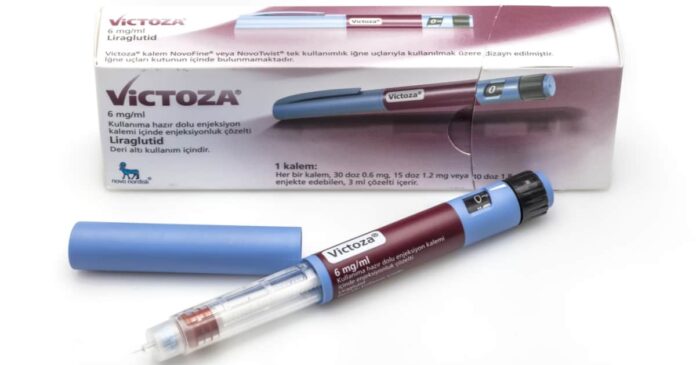
Victoza is a medication used to treat type 2 diabetes. It belongs to a class of drugs called glucagon-like peptide-1 (GLP-1) receptor agonists. This article will explore the uses, benefits, side effects, and warnings associated with Victoza.
Uses
Victoza is primarily used to help control blood sugar levels in individuals with type 2 diabetes. It works by stimulating the release of insulin and reducing the amount of glucagon, a hormone that raises blood sugar levels. By regulating blood sugar, Victoza can help improve glycemic control and prevent complications associated with diabetes.
Benefits
One of the significant benefits of Victoza is its ability to help individuals achieve and maintain healthy blood sugar levels. It can also contribute to weight loss, as it slows down the emptying of the stomach and increases feelings of fullness, leading to reduced food intake. Additionally, Victoza has been shown to lower the risk of cardiovascular events, such as heart attacks and strokes, in individuals who have established cardiovascular disease.
Side Effects
While Victoza can be highly beneficial, it may also cause certain side effects. Common side effects include nausea, vomiting, diarrhea, and constipation. These symptoms may decrease over time as the body adjusts to the medication. Less common but more severe side effects can include pancreatitis, thyroid problems, and kidney problems. It is important to seek medical attention if any unusual or severe side effects occur.
Warnings
Victoza is generally well-tolerated, but there are certain precautions and warnings that should be considered before starting this medication. Victoza is not recommended for individuals with type 1 diabetes or diabetic ketoacidosis. It should also be used with caution in individuals with a history of pancreatitis, gallbladder problems, or kidney problems. Additionally, there have been reports of thyroid tumors in animals treated with GLP-1 receptor agonists, though it is unclear whether the same risk exists for humans. Regular monitoring of thyroid function is advisable during treatment with Victoza.
FAQs
Victoza is most commonly used in combination with other diabetes medications. However, in some cases, it can be used as a monotherapy, especially in individuals who cannot tolerate or are resistant to other diabetes medications.
Victoza starts working within a few hours of the first injection, but it may take several weeks to reach its full effect. It is essential to be patient and continue with the medication as prescribed.
While Victoza is not approved for weight loss in individuals without diabetes, it has been used off-label for this purpose. However, it should only be used under the guidance of a healthcare professional.
Victoza itself does not typically cause low blood sugar levels when used as a monotherapy. However, when used in combination with other diabetes medications that can lower blood sugar, there is a potential risk of hypoglycemia. Regular blood sugar monitoring is crucial.
Victoza is a daily injectable medication that comes in a pre-filled pen. It is self-administered by subcutaneous injection in the abdomen, thigh, or upper arm. Detailed instructions on injection technique and rotation sites should be followed.






 receptor agonists.)