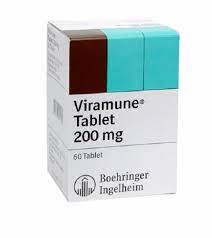
Viramune, also known as nevirapine, is an antiretroviral medication used to treat HIV infection. It belongs to a group of drugs known as non-nucleoside reverse transcriptase inhibitors (NNRTIs). This article will explore the uses, benefits, side effects, and warnings of Viramune.
Uses
Viramune is used in the treatment of HIV infection in adults. It is usually taken in combination with other antiretroviral medications to effectively manage the viral load in the body, thereby preventing the progression of HIV to AIDS. It works by blocking the action of an enzyme called reverse transcriptase, which HIV requires to replicate itself.
Benefits
The main benefit of Viramune is that it helps to reduce the amount of HIV in the body, slowing down the progression of the disease. This can improve the quality of life of those living with HIV and increase their life expectancy. Several clinical studies have shown that Viramune, when used in combination with other antiretroviral drugs, can effectively suppress viral replication and increase CD4 cell counts.
Side Effects
Like with all medications, Viramune can cause side effects. The most common side effects include:
- Rash
- Headache
- Fever
- Nausea and vomiting
- Dizziness
- Fatigue
- Abdominal pain
- Diarrhea
- Depression
Rare but serious side effects of Viramune include:
- Severe skin rash
- Hepatitis
- Stevens-Johnson Syndrome
- Toxic Epidermal Necrolysis
- Liver failure
- Blood disorders
- Severe hypersensitivity reactions
- Increased risk of heart attack
If you experience any of these severe side effects, immediately stop taking Viramune and seek medical attention.
Warnings
Before taking Viramune, make sure to inform your doctor about any pre-existing medical conditions and medications you are currently taking. Viramune can interact with several medications, including birth control pills, antidepressants, and antifungal drugs.
Viramune can also cause severe liver damage and should not be taken by people with pre-existing liver conditions. Regular liver function tests are recommended while taking Viramune.
Viramune can also affect pregnancy outcomes. Pregnant women with HIV are usually advised against taking Viramune during the first 18 weeks of pregnancy.
FAQs
Viramune should be taken exactly as prescribed by your doctor. It is usually taken once or twice daily with or without food.
If you miss a dose of Viramune, take it as soon as you remember unless it’s time for your next dose. Do not double the dose to make up for the missed one.
Viramune can interact with several medications. Inform your doctor about all the medications you are taking.
Long-term use of Viramune can cause liver damage and affect pregnancy outcomes in pregnant women.
Several clinical trials have shown that Viramune, when used in combination with other antiretroviral medications, is effective in reducing viral load and increasing CD4 cell counts in people with HIV.






 is an NNRTI used in combination HIV therapy. Review its uses, dosage, side effects and liver and rash warnings.)