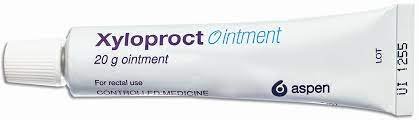
Xyloproct is a brand name for a medication that contains two active ingredients, lidocaine and hydrocortisone acetate. Xyloproct is commonly used to treat various anal conditions, such as itching, pain, and swelling. In this article, we will discuss the uses, benefits, side effects, and warnings of Xyloproct.
Uses
Xyloproct is primarily used to treat anal conditions, such as hemorrhoids, anal fissures, and pruritus ani. These conditions are characterized by itching, pain, and inflammation in the anal region.
Xyloproct works by reducing inflammation and numbing the affected area, thereby providing relief from pain and itching. The medication is available in the form of a cream or ointment and is applied topically to the affected area.
Benefits
The primary benefit of Xyloproct is the relief it provides from the symptoms of anal conditions. Xyloproct can reduce itching, pain, and inflammation, making it easier to manage these conditions and reducing the discomfort associated with them.
In addition to its analgesic and anti-inflammatory properties, Xyloproct also has antipruritic properties, which means that it can relieve itching and discomfort in the anal region.
Side Effects
As with all medications, Xyloproct may cause side effects in some people. The most common side effects of Xyloproct are mild and include:
– Burning or stinging sensation at the application site
– Mild irritation or itching
If you experience any of these side effects, they should subside within a few days. However, if you experience any severe side effects, such as an allergic reaction, you should seek medical attention immediately.
In rare cases, Xyloproct can cause serious side effects, such as:
– Increased blood pressure
– Rapid heartbeat
– Irregular heartbeat
– Difficulty breathing
– Swelling or redness of the face or throat
– Fainting or loss of consciousness
If you experience any of these side effects, you should seek medical attention immediately.
Warnings
Xyloproct should not be used by anyone who is allergic to lidocaine, hydrocortisone acetate, or any other ingredients in the medication. Xyloproct should also not be used by children under the age of 12 without a doctor’s prescription.
If you are pregnant or breastfeeding, you should speak to your doctor before using Xyloproct. While Xyloproct is generally considered safe for pregnant and breastfeeding women, there is a small risk of harm to the developing fetus or newborn.
Xyloproct should not be used for extended periods of time without a doctor’s prescription. Prolonged use of Xyloproct can lead to skin thinning, which can increase the risk of infection or other complications.
FAQs
Xyloproct is primarily used to treat anal conditions, such as hemorrhoids, anal fissures, and pruritus ani.
The most common side effects of Xyloproct are mild and include burning or stinging sensation at the application site and mild irritation or itching. In rare cases, Xyloproct can cause serious side effects, such as increased blood pressure or difficulty breathing.
While Xyloproct is generally considered safe for pregnant women, there is a small risk of harm to the developing fetus. Pregnant women should speak to their doctor before using Xyloproct.
Xyloproct should not be used for extended periods of time without a doctor’s prescription. Prolonged use of Xyloproct can lead to skin thinning, which can increase the risk of infection or other complications.
Xyloproct is available in the form of a cream or ointment and is applied topically to the affected area.






