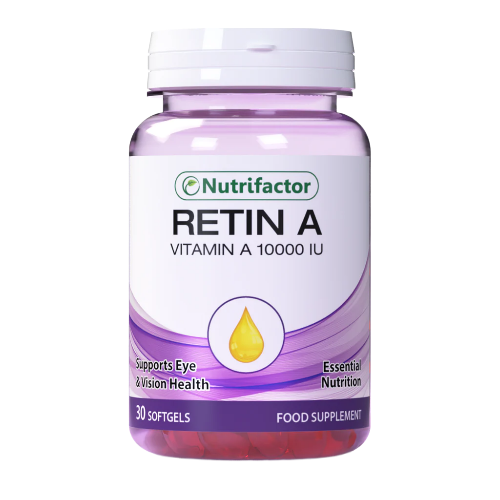
Vitamin A is an essential nutrient that plays a crucial role in various bodily functions. It is a fat-soluble vitamin that is naturally present in certain foods and is also available as a dietary supplement. This article will explore the uses, benefits, side effects, and warnings associated with Vitamin A.
Uses
Vitamin A is involved in several important functions within the body. It is vital for maintaining healthy vision, as it is a key component of the retina, a part of the eye that enables us to see in low light conditions. It also supports the normal growth and development of cells and tissues throughout the body.
Furthermore, Vitamin A contributes to a healthy immune system, helping to fight off infections and diseases. It plays a role in the production and function of white blood cells, which are crucial for immune responses. Vitamin A is also necessary for the development and maintenance of healthy skin and mucous membranes, which act as barriers against harmful bacteria and viruses.
Benefits
Consuming adequate amounts of Vitamin A offers numerous benefits for overall health and wellbeing. Some key benefits include:
- Enhanced Vision: Vitamin A supports good vision, especially in low light conditions. It helps prevent night blindness and promotes healthy eyesight.
- Improved Immune Function: Vitamin A plays a vital role in the functioning of the immune system, helping to protect against infections and diseases.
- Healthy Skin: This vitamin is essential for maintaining healthy skin, promoting cell turnover, and supporting the growth of new skin cells.
- Proper Growth and Development: Vitamin A is crucial for the growth and development of bones, teeth, and various organs in infants and children.
- Reproductive Health: It is essential for normal reproductive function in both males and females.
Side Effects
While Vitamin A is essential for good health, consuming too much can lead to adverse side effects. Excessive intake of Vitamin A, either through supplements or certain medications, can result in a condition called hypervitaminosis A. Some common side effects of excessive Vitamin A intake include:
- Nausea and Vomiting: Consuming high amounts of Vitamin A can cause gastrointestinal discomfort, leading to nausea and vomiting.
- Headaches and Dizziness: Excessive intake may cause headaches, dizziness, and even blurred vision.
- Bone and Joint Pain: In some cases, excessive Vitamin A can lead to bone and joint pain.
- Changes in Vision: Consuming too much Vitamin A over an extended period can lead to changes in vision, including blurry or double vision.
- Birth Defects: Pregnant women should be cautious with Vitamin A intake, as excessive amounts can harm the developing fetus, leading to birth defects.
Warnings
Although Vitamin A is generally safe when consumed within the recommended daily limits, certain precautions should be taken:
- Pregnancy and Breastfeeding: Pregnant and breastfeeding women should consult with their healthcare provider before taking Vitamin A supplements to ensure they are not exceeding the recommended dosage.
- Medication Interactions: Some medications, such as isotretinoin (used to treat severe acne), can interact with Vitamin A, so it is important to discuss with a healthcare professional if you are taking any medications.
- Smokers: Smokers may have lower levels of Vitamin A, so it is advisable to consult with a healthcare provider regarding the need for supplementation.
- Medical Conditions: Individuals with certain medical conditions, such as liver disease or vitamin K deficiency, should exercise caution and consult with a healthcare professional before taking Vitamin A supplements.
- Dosage: It is crucial to follow the recommended dosage guidelines for Vitamin A to avoid potential toxicity and side effects.
FAQs
Yes, Vitamin A is essential for good vision, especially in low light conditions. It helps prevent night blindness and improves overall eyesight.
Yes, a balanced diet can provide sufficient Vitamin A for most individuals. Good sources include carrots, sweet potatoes, spinach, and dairy products.
Yes, Vitamin A promotes healthy skin by supporting cell turnover and the growth of new skin cells. However, it is important to follow the recommended dosage to avoid adverse effects.
Absolutely! Apart from supplements, you can obtain Vitamin A from various natural sources, such as fruits, vegetables, and dairy products.
It is advisable to consult with your healthcare provider before taking Vitamin A supplements during pregnancy, as excessive amounts can harm the developing fetus. They will guide you on the appropriate dosage.






