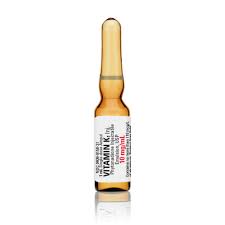
Vitamin K1 is a type of vitamin that plays a crucial role in blood clotting and bone health. It is commonly found in foods such as leafy green vegetables, vegetable oils, and cereal grains. In this article, we will explore the uses, benefits, side effects, and warnings of Vitamin K1.
Uses
Vitamin K1 is primarily used to treat and prevent bleeding disorders. It works by helping the blood to clot properly, which can be beneficial for people who have bleeding disorders such as hemophilia. Additionally, Vitamin K1 is used to treat and prevent bone loss and fractures in people who have osteoporosis. It helps to increase the production of a protein called osteocalcin, which is essential for building strong bones.
Benefits
The benefits of Vitamin K1 are numerous. It is an essential nutrient that plays a critical role in maintaining the health of our bones and blood. Here are some of the benefits of Vitamin K1:
– Bone Health: Vitamin K1 is known to increase bone density and reduce the risk of fractures. It helps to activate proteins that are necessary for bone growth and development.
– Blood Clotting: Vitamin K1 is essential for the proper functioning of our blood clotting system. It helps to activate proteins that are responsible for forming blood clots.
– Cardiovascular Health: Studies have found that Vitamin K1 may help to improve cardiovascular health by reducing the risk of heart disease and stroke.
– Anti-inflammatory: Vitamin K1 has anti-inflammatory properties that can help to reduce inflammation throughout the body.
Side Effects
While Vitamin K1 is generally safe for most people, there are some potential side effects to be aware of. These side effects are typically mild and include:
– Upset stomach
– Diarrhea
– Headaches
– Dizziness
In rare cases, Vitamin K1 can cause allergic reactions, which can be severe. If you experience any symptoms of an allergic reaction, such as hives, difficulty breathing, or swelling of the face, lips, tongue, or throat, seek medical attention immediately.
Warnings
While Vitamin K1 is safe for most people, there are some precautions to be aware of:
– Blood Thinners: If you are taking blood thinners, such as warfarin, consult with your doctor before taking Vitamin K1. Vitamin K1 can interfere with the effectiveness of blood thinners and increase the risk of bleeding.
– Surgery: If you are scheduled to have surgery, stop taking Vitamin K1 at least two weeks before the procedure. Vitamin K1 can interfere with blood clotting, which can increase the risk of bleeding during surgery.
– Pregnancy and Breastfeeding: Vitamin K1 is safe for pregnant and breastfeeding women when taken in normal doses. However, it is always a good idea to consult with your doctor before taking any supplements during pregnancy or breastfeeding.
FAQs
Yes, it is possible to get enough Vitamin K1 from your diet. Foods such as leafy green vegetables, vegetable oils, and cereal grains are rich sources of Vitamin K1.
Yes, studies have found that Vitamin K1 can help to improve bone density and reduce the risk of fractures.
Symptoms of a Vitamin K1 deficiency can include easy bruising, gum bleeding, and excessive bleeding from wounds or cuts.
Yes, Vitamin K1 is safe for children when taken in normal doses. However, it is always a good idea to consult with a pediatrician before giving any supplements to children.
There is some evidence to suggest that Vitamin K1 may help to reduce inflammation in the body, which can be beneficial for people with arthritis. However, more research is needed to confirm this.