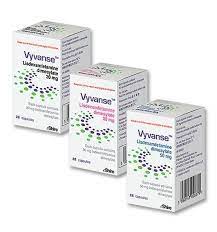
Vyvanse is a prescription medication that is commonly used to treat attention deficit hyperactivity disorder (ADHD) in children and adults. It contains lisdexamfetamine, which is a central nervous system stimulant.
Uses
Vyvanse is primarily used to manage symptoms of ADHD, including inattention, impulsivity, and hyperactivity. It works by increasing the levels of certain chemicals in the brain that play a role in regulating attention span and behavior. Vyvanse is approved for use in children aged 6 years and older, as well as in adults.
Benefits
The use of Vyvanse has been shown to improve focus, reduce impulsivity, and decrease hyperactivity in individuals with ADHD. It helps individuals stay attentive, complete tasks, and improve organization skills. Vyvanse can enhance academic and work performance, increase productivity, and improve social interactions.
Side Effects
Like any medication, Vyvanse can cause side effects, although not everyone experiences them. Common side effects may include decreased appetite, stomach ache, dry mouth, trouble sleeping, increased heart rate, and irritability. These side effects are typically mild and often resolve on their own.
However, some individuals may experience more severe side effects, such as chest pain, shortness of breath, numbness or tingling in the extremities, mood changes, hallucinations, or uncontrolled movements. If any of these side effects occur or worsen, it is important to seek medical attention immediately.
Warnings
Vyvanse is a controlled substance due to its potential for abuse and dependence. It should only be used under the guidance of a healthcare professional and as prescribed. It is important to follow the prescribed dosage and not to share Vyvanse with others, as it may have serious health consequences in individuals without ADHD.
Individuals with a history of heart problems, high blood pressure, a family history of mental health disorders, or substance abuse should use Vyvanse with caution. It may not be suitable for those with certain health conditions, so it is vital to discuss medical history and current medications with a healthcare professional before starting Vyvanse.
There is a risk of withdrawal symptoms if Vyvanse is abruptly discontinued after long-term use. Therefore, it is recommended to gradually reduce the dosage under medical supervision when discontinuing Vyvanse treatment.
FAQs
Vyvanse has the potential for abuse and dependence. It is essential to use it as prescribed and not to share it with others.
Vyvanse is approved for use in children aged 6 years and older.
If you experience severe side effects such as chest pain, shortness of breath, or hallucinations, seek immediate medical attention.
It is crucial to discuss all current medications and medical history with a healthcare professional before starting Vyvanse to avoid potential interactions.
When discontinuing Vyvanse, it is recommended to gradually reduce the dosage under medical supervision to minimize the risk of withdrawal symptoms.






 in children and adults.)