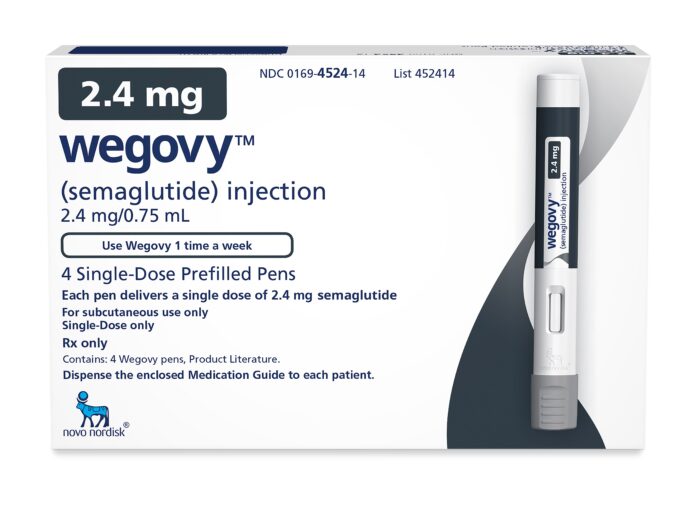
Wegovy is a newly approved medication that has gained significant attention in the field of weight management. It acts as a glucagon-like peptide-1 (GLP-1) receptor agonist, which means it helps regulate appetite and decrease food intake. In this article, we will delve into the uses, benefits, side effects, and warnings surrounding Wegovy.
Uses
Wegovy is prescribed for adults with obesity or those with a body mass index (BMI) of 30 or greater. It is typically used in conjunction with a reduced-calorie diet and increased physical activity to facilitate weight loss. By stimulating GLP-1 receptors, Wegovy helps individuals feel fuller and more satisfied after meals, ultimately resulting in reduced caloric consumption.
Benefits
Wegovy has shown promising results in clinical trials, with participants experiencing significant weight loss compared to those using a placebo. The medication’s benefits extend beyond weight reduction; it has also been associated with the improvement of other obesity-related conditions such as high blood pressure, cholesterol levels, and type 2 diabetes control. Thus, Wegovy can offer a multifaceted approach to enhancing overall health and quality of life.
Side Effects
While Wegovy can be highly effective, it is essential to be aware of potential side effects. The most commonly reported ones include gastrointestinal issues, such as nausea, vomiting, diarrhea, and constipation. These symptoms usually subside within a few days or weeks as the body adjusts to the medication. However, it is recommended to inform your healthcare provider if these side effects persist or become severe.
In rare cases, Wegovy may lead to more severe side effects, such as pancreatitis, gallbladder-related problems, and kidney injury. These complications require immediate medical attention and should not be ignored. Additionally, individuals taking Wegovy should pay attention to any signs of low blood sugar (hypoglycemia) and seek medical assistance if they experience symptoms like dizziness, confusion, or blurred vision.
Warnings
Before starting Wegovy, it is crucial to discuss any pre-existing medical conditions or medications with your healthcare provider. This medication may not be suitable for individuals with a history of thyroid tumors, pancreatitis, or a personal or family history of medullary thyroid carcinoma. Furthermore, caution should be exercised if you are taking insulin or other GLP-1 receptor agonist medications, as combining these treatments may increase the risk of developing hypoglycemia.
As Wegovy may affect heart rate or heart rhythm, individuals with a history of heart disease or heart rhythm abnormalities should proceed with caution. If you experience symptoms such as palpitations, fainting, or shortness of breath while taking Wegovy, seek immediate medical attention.
FAQs about Wegovy
The timeframe for weight loss with Wegovy varies between individuals. However, in clinical trials, significant weight loss was observed within 14 to 16 weeks of starting the medication.
No, Wegovy should always be prescribed as part of a comprehensive weight management plan that includes a reduced-calorie diet and increased physical activity.
Wegovy is approved for adults with obesity or with a BMI of 30 or greater. However, every individual’s situation is unique, so it is crucial to consult with your healthcare provider to determine the most appropriate weight management approach for you.
Although Wegovy is a new medication, the initial studies conducted during its approval process demonstrated its short-term safety and efficacy. Further research and long-term studies are ongoing to ensure its continued safety and effectiveness.
Wegovy is typically administered once a week via subcutaneous injection. The dosage may vary based on individual needs and should be prescribed by a healthcare professional.