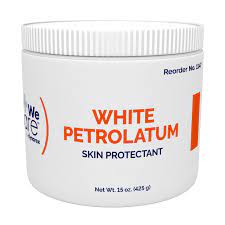
White petroleum jelly topical, commonly known as Vaseline, is a multipurpose ointment that has been a staple in households for decades. This versatile product is renowned for its moisturizing and protective properties, making it a go-to solution for various skin concerns. In this article, we will explore the uses, benefits, side effects, and warnings associated with white petroleum jelly topical.
Uses
White petroleum jelly topical has a wide range of uses due to its occlusive nature, which forms a protective barrier on the skin’s surface. Some of the common uses include:
- Moisturizer: White petroleum jelly helps to lock in moisture and prevent water loss from the skin. It is particularly beneficial for people with dry, chapped, or rough skin.
- Lip balm: Its hydrating properties make it an excellent remedy for dry and chapped lips.
- Healing minor cuts and burns: Applying white petroleum jelly to minor cuts and burns can help promote healing by preventing bacteria from entering the wound and keeping it moisturized.
- Makeup removal: It can effectively remove stubborn makeup, including waterproof mascara, while moisturizing the skin.
- Diaper rash prevention: Applying a thin layer of white petroleum jelly on a baby’s bottom can help create a protective barrier and prevent diaper rash.
Benefits
The benefits of using white petroleum jelly topical are numerous:
- Moisturizes and soothes: It deeply hydrates the skin, leaving it soft and supple. It also helps to soothe irritated or inflamed skin.
- Protects the skin: White petroleum jelly forms a barrier on the skin’s surface, protecting it from harsh environmental factors such as wind, cold weather, and pollutants.
- Non-comedogenic: It does not clog pores, making it suitable for all skin types, including acne-prone skin.
- Safe for sensitive skin: White petroleum jelly is hypoallergenic and generally well-tolerated, making it suitable for individuals with sensitive skin.
- Cost-effective: It is an affordable skincare solution that offers multiple benefits.
Side Effects
While white petroleum jelly topical is considered safe for most individuals, it may cause some side effects in rare cases:
- Allergic reactions: Some individuals may experience allergic reactions to white petroleum jelly. If you notice any signs of an allergic reaction, such as itching, redness, or swelling, discontinue use and consult a healthcare professional.
- Pore blockage: Using excessive amounts of white petroleum jelly can potentially block pores, leading to acne breakouts or folliculitis. It is best to use it sparingly.
Warnings
While white petroleum jelly topical is generally safe, there are a few precautions to keep in mind:
- Avoid application on open wounds: It is recommended to avoid applying white petroleum jelly on open wounds or deep cuts. Consult a healthcare professional for appropriate wound care.
- Not for internal use: White petroleum jelly is for external use only and should not be ingested. If accidentally swallowed, seek medical attention immediately.
- Consult a doctor for prolonged or severe skin conditions: If you have any persistent or severe skin conditions, it is advisable to consult a healthcare professional before using white petroleum jelly.
conclusion
In conclusion, white petroleum jelly topical, with its numerous uses and benefits, is a versatile product that can be a valuable addition to your skincare routine. However, always be mindful of potential side effects and heed the necessary warnings to ensure safe and effective use.
FAQs
Yes, white petroleum jelly can be used on the face. However, it is best to use it sparingly and avoid applying it to acne-prone areas.
Yes, white petroleum jelly is generally safe for babies. It can be used to prevent diaper rash and moisturize their delicate skin. However, always consult a pediatrician before using any products on infants.
No, white petroleum jelly should not be used as a lubricant, especially with latex condoms, as it can cause the latex to weaken and break.
White petroleum jelly is derived from petroleum, a non-vegan source. Therefore, it is not considered vegan.
While white petroleum jelly is occasionally used for tattoo aftercare, it is not recommended by most tattoo artists. It can potentially clog pores and interfere with the tattoo healing process. It is best to follow your tattoo artist’s recommendations for aftercare products.






