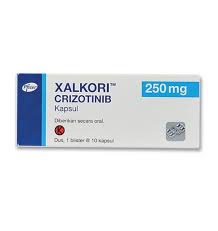
Xalkori (Crizotinib) is an oral medication used to treat tumors with a genetic mutation called ALK (anaplastic lymphoma kinase) or ROS1 (c-ros oncogene 1). It helps in the treatment of non-small lung cancer. It belongs to a class of drugs known as tyrosine kinase inhibitors.
Uses
Xalkori is used to treat Non-Small Cell Lung Cancer (NSCLC) that has spread to other parts of the body. It is used for the treatment of advanced cases of ALK-positive metastatic NSCLC. The drug is also used for the treatment of ROS1 positive metastatic NSCLC. Xalkori is also used for the treatment of advanced ALK-positive inflammatory myofibroblastic tumors (IMT) and advanced ALK-positive metastatic neuroblastoma.
Benefits
The use of Xalkori in the treatment of non-small cell lung cancer has shown a significant improvement in the progression-free survival (PFS) of the patients. The drug has been shown to increase the overall survival rate of the patients. It works by blocking the growth and spread of cancer cells that have an ALK or ROS1 gene mutation. The drug targets cancer cells specifically, and hence it may be more effective and cause fewer side effects than traditional chemotherapy.
Side Effects
Like any other medications, Xalkori may cause side effects. Some of the common side effects of Xalkori include fatigue, nausea, vomiting, diarrhea, decreased appetite, constipation, liver function test abnormalities, and difficulty sleeping. Some of the less common side effects of Xalkori include vision problems, dizziness, vertigo, and hearing loss. It is essential to inform your doctor about any side effects that you may experience while taking Xalkori.
Warnings
Xalkori should not be used in patients who are allergic to Crizotinib. Before using Xalkori, patients should inform their doctors about any other medication they are taking, as some medications may interact with Xalkori. Xalkori may cause stomach problems, which can lead to dehydration. If you experience any symptoms of dehydration such as dry mouth, increased thirst, or unusual tiredness, contact your doctor immediately. Xalkori may cause liver problems, hence you should perform liver function tests regularly while taking this medication. Patients should also avoid grapefruit, grapefruit juice, and Seville oranges while taking Xalkori, as it may interact with the medication.
conclusion
In conclusion, Xalkori is a medication used in the treatment of tumors with a genetic mutation called ALK or ROS1 genes. It blocks the growth and spread of cancer cells, improving the overall survival rate of patients. Although the medication may cause side effects, it has been shown to be effective in the treatment of Non-Small Cell Lung Cancer. If you’re considering taking Xalkori, speak to your doctor about the benefits and potential side effects.
FAQs
Xalkori is an oral medication used to treat tumors with a genetic mutation called ALK or ROS1 genes.
Xalkori can help increase the overall survival rate of the patients with Non-Small Cell Lung Cancer. It works by blocking the growth and spread of cancer cells that have an ALK or ROS1 gene mutation.
The common side effects of Xalkori include fatigue, nausea, vomiting, diarrhea, decreased appetite, constipation, liver function test abnormalities, and difficulty sleeping.
Xalkori should be taken only under the supervision of a doctor. Patients should inform their doctors about any other medication they are taking. Grapefruit, grapefruit juice, and Seville oranges should be avoided while taking Xalkori.
Xalkori is available in the form of capsules which are taken orally. The dose may vary depending on the patient’s condition and response to the treatment.