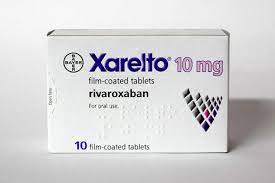
Xarelto, also known as Rivaroxaban, is a prescription medication that is commonly used to treat and prevent blood clots in the veins and lungs. It belongs to a class of drugs known as anticoagulants or blood thinners.
Uses of Xarelto
Xarelto is used to treat various conditions, including:
- Deep vein thrombosis (DVT) – a blood clot that forms in a deep vein, usually in the legs.
- Pulmonary embolism (PE) – a blood clot that lodges in the lungs, usually originating from a DVT.
- Atrial fibrillation – a heart condition that causes irregular and rapid heartbeat, which can lead to blood clots.
- Stroke – Xarelto has been shown to reduce the risk of stroke in people with atrial fibrillation.
- Peripheral artery disease – a condition that causes narrowing of the arteries in the legs, which can lead to blood clots.
Benefits of Xarelto
Xarelto is a highly effective medication that can prevent and treat blood clots. It has several advantages over other blood-thinning medications, including:
- Easy to use – Xarelto is taken orally in a pill form, without the need for blood tests or frequent adjustments.
- Fast onset – Xarelto starts working within 2-4 hours of taking the first dose.
- Long-lasting – Xarelto remains in the system for up to 24 hours, providing continuous protection against blood clots.
- Low risk of bleeding – Xarelto has a lower risk of bleeding compared to other blood-thinning medications.
Side Effects of Xarelto
Like all medications, Xarelto can cause side effects, although not everyone will experience them. Common side effects of Xarelto include:
- Bleeding – Xarelto can increase the risk of bleeding, which can range from minor cuts to life-threatening internal bleeding. It is important to seek medical attention if you notice any signs of bleeding, such as blood in the urine, black stools, or unexplained bruises.
- Nausea – Some people may experience nausea or vomiting while taking Xarelto.
- Headache – Xarelto can cause headaches in some people.
- Dizziness – Xarelto can cause dizziness or lightheadedness, especially when standing up quickly.
- Rash – Some people may develop a rash or hives while taking Xarelto.
Warnings About Xarelto
Xarelto should not be taken by people who:
- Have had a serious allergic reaction to rivaroxaban or any of its ingredients.
- Have active bleeding, such as a stomach ulcer or bleeding in the brain.
- Are pregnant or nursing.
- Have severe liver disease or kidney disease.
It is important to tell your doctor if you have any medical conditions or are taking any medications before taking Xarelto. Xarelto can interact with other medications, such as aspirin, nonsteroidal anti-inflammatory drugs (NSAIDs), and certain antibiotics.
FAQs About Xarelto
Yes, Xarelto can be taken with or without food.
Xarelto can increase the risk of bleeding, which can lead to stomach ulcers.
If you miss a dose of Xarelto, take it as soon as you remember. If it is close to the time for your next dose, skip the missed dose and take the next dose as scheduled.
The duration of Xarelto treatment depends on the condition being treated. Your doctor will advise you on how long you should take Xarelto.
It is best to avoid alcohol while taking Xarelto, as alcohol can increase the risk of bleeding. If you do choose to drink alcohol, do so in moderation.






