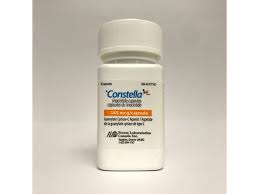
Constella is a medication used to treat irritable bowel syndrome with constipation (IBS-C) in adults. It contains the active ingredient linaclotide, which works by increasing the amount of fluid in the intestinal tract, causing stool to become softer and easier to pass.
Uses
Constella relieves symptoms of IBS-C, which can include abdominal pain, bloating, and constipation. It is not recommended for use in children under 18 years of age.
Benefits
Constella can provide relief from the symptoms of IBS-C, allowing patients to resume their daily activities without discomfort. It can also improve stool consistency and reduce the need for laxatives and other medications.
Side Effects
Constella can cause side effects, although not all patients will experience them. Common side effects may include diarrhea, abdominal pain, and gas. Less common side effects may include nausea, vomiting, and headache.
In rare cases, Constella may cause severe allergic reactions, such as difficulty breathing, hives, or swelling of the face and mouth. Patients experiencing these symptoms should seek immediate medical attention.
Warnings
Patients should not take Constella if they have a history of bowel obstruction or if they have severe diarrhea. Constella can also interact with certain medications, including antibiotics and medications that affect gastrointestinal motility.
Patients who experience severe abdominal pain, blood in their stools, or changes in bowel habits while taking Constella should stop taking the medication and contact their healthcare provider.
Constella should not be taken by pregnant or breastfeeding women, as the safety of the medication during these times has not been established.
FAQs
Constella should be taken once daily on an empty stomach, at least 30 minutes before the day’s first meal.
Most patients will experience relief from their symptoms within one week of starting treatment with Constella.
Patients should talk to their healthcare provider before taking other medications with Constella, as it can interact with certain medications.
Patients should avoid eating grain-based foods such as breads, cereals, and rice, as these can exacerbate the symptoms of IBS-C.
Patients should take a dose as soon as possible if a dose is missed. However, if it is close to the time for the next dose, they should skip the missed dose and continue with their regular dosing schedule.