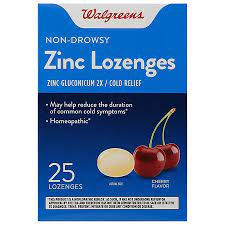
Zinc lozenges are a popular over-the-counter medication that contains zinc, a vital mineral for human health. These lozenges are commonly used to relieve symptoms of the common cold and to support overall immune function. While zinc lozenges offer numerous benefits, it is important to understand their uses, potential side effects, and any warnings associated with their use.
Uses
Zinc lozenges are primarily used for their immune-boosting properties. They can help shorten the duration and severity of common cold symptoms, including coughing, sneezing, sore throat, and nasal congestion. Zinc is known to play a crucial role in the normal functioning of the immune system, aiding in the production of immune cells and supporting their activity against pathogens.
Furthermore, zinc lozenges may also be beneficial in treating other respiratory infections, such as bronchitis and sinusitis. Some studies have suggested that zinc lozenges can reduce the duration of these infections and alleviate associated symptoms.
Benefits
The key benefits of using zinc lozenges include:
- Shortened cold duration: Zinc lozenges have been shown to reduce the duration of cold symptoms by up to several days, allowing individuals to recover faster.
- Reduced symptom severity: Zinc lozenges may help alleviate symptoms such as coughing, sneezing, and sore throat, providing relief during a cold or respiratory infection.
- Enhanced immune function: Zinc is essential for the proper functioning of the immune system, and taking zinc lozenges can support overall immune health.
- Convenience: Zinc lozenges are easy to consume and are available over-the-counter without a prescription.
Side Effects
While zinc lozenges are generally safe for short-term use, they can cause certain side effects, including:
- Nausea: Some individuals may experience an upset stomach or nausea after consuming zinc lozenges. This can be minimized by taking the lozenges with food.
- Unpleasant taste: Zinc lozenges often have a metallic or slightly bitter taste, which some individuals may find unpleasant.
- Temporary loss of smell and taste: In rare cases, zinc lozenges can cause a temporary loss of smell and taste. This side effect typically resolves after discontinuing use.
It is important to follow the recommended dosage and not exceed the daily recommended intake of zinc, as excessive zinc consumption can lead to more severe side effects.
Warnings
Before using zinc lozenges, consider the following warnings:
- Allergies: Individuals with known allergies to zinc or other ingredients in the lozenges should avoid using them.
- Medical conditions and medications: If you have any underlying medical conditions or are taking prescription medications, consult with your healthcare provider before using zinc lozenges to ensure they are safe for you.
- Pregnancy and breastfeeding: Pregnant or breastfeeding women should consult their healthcare provider before using zinc lozenges to determine the appropriate dosage and ensure safety for both mom and baby.
- Interactions with other supplements: Certain supplements, such as iron or copper, may interact with zinc. It is advisable to separate the intake of these supplements by a few hours to prevent any potential interactions.
Conclusion
In conclusion, zinc lozenges can be a valuable tool in managing cold symptoms and supporting immune function. However, it is crucial to be aware of their uses, potential side effects, and any warnings associated with their use. By understanding these aspects, individuals can make informed decisions regarding their health and well-being.
FAQs (Frequently Asked Questions)
Here are some frequently asked questions about zinc lozenges:
Zinc lozenges may help reduce the duration and severity of cold symptoms, but they cannot completely prevent colds.
It is best to consult a pediatrician before giving zinc lozenges to children to ensure appropriate dosage and safety.
Follow the instructions on the packaging or consult with a healthcare professional for the recommended dosage and frequency of use.
Some foods and medications may interact with zinc lozenges. It is advisable to consult with a healthcare provider if you are unsure about potential interactions.
It is generally safe to take zinc lozenges alongside other cold medications, but it is always recommended to consult with a healthcare professional to ensure compatibility.






