Uses
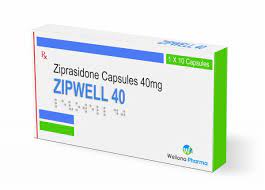
Ziprasidone is a medication primarily used to treat schizophrenia and bipolar disorder. It belongs to the group of drugs known as atypical antipsychotics. Ziprasidone works by balancing certain natural chemicals in the brain that are responsible for causing hallucinations, delusions, and other psychotic symptoms commonly found in schizophrenia and bipolar disorder.
Benefits
Ziprasidone can effectively reduce the symptoms of schizophrenia and bipolar disorder, allowing individuals to lead more stable and fulfilling lives. It helps in minimizing hallucinations, improving concentration, and reducing feelings of restlessness or agitation.
Side Effects
Like all medications, ziprasidone may cause some side effects. Common side effects include drowsiness, dizziness, nausea, vomiting, constipation, and blurred vision. These symptoms usually subside as the body adjusts to the medication. However, if they persist or worsen, it’s recommended to consult a healthcare professional. Some less common but potentially serious side effects include rapid heartbeat, difficulty swallowing, muscle stiffness, and uncontrollable muscle movements. If any of these symptoms occur, immediate medical attention is necessary.
Warnings
Before taking ziprasidone, it’s important to inform your doctor about any allergies or medical conditions you may have. This medication may cause drowsiness or dizziness, so it’s essential to avoid activities that require mental alertness until you know how the drug affects you. Consuming alcohol along with ziprasidone can intensify these side effects and may interfere with the medication’s effectiveness. Additionally, ziprasidone may increase the risk of developing high blood sugar or diabetes. Regular monitoring of blood sugar levels is recommended while taking this medication. Lastly, it’s crucial to follow the prescribed dosage and not to stop taking ziprasidone abruptly, as it can lead to withdrawal symptoms or a relapse of psychotic symptoms.
FAQs
There is limited information available on the safety of ziprasidone during pregnancy. It’s essential to consult with your doctor if you are pregnant or planning to become pregnant before starting this medication.
The effects of ziprasidone may take several weeks to become noticeable. It’s essential to continue taking the medication as prescribed and not to expect immediate results.
The safety and effectiveness of ziprasidone in children below the age of 18 have not been established. It should only be used in children if recommended and closely monitored by a healthcare professional.
If you miss a dose, take it as soon as you remember. However, if it’s close to the time of your next scheduled dose, skip the missed dose and continue with your regular dosing schedule. Do not double the dose to make up for the missed one.
Ziprasidone can interact with other drugs, including certain antibiotics, anti-seizure medications, and antidepressants. It’s important to inform your doctor about all the medications you are currently taking to avoid potential drug interactions or adverse effects.