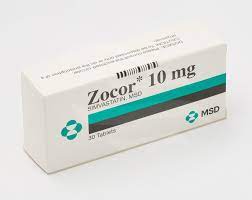
Zocor, also known by its generic name simvastatin, is a medication prescribed to help lower cholesterol levels in the bloodstream. This drug belongs to a class of drugs called HMG-CoA reductase inhibitors, commonly known as statins. Statins work by inhibiting cholesterol synthesis in the liver, which can lead to a reduction in the amount of cholesterol in the bloodstream. In this article, we will explore the uses, benefits, side effects, and warnings associated with Zocor.
Uses
Zocor is primarily prescribed to lower elevated cholesterol levels in the bloodstream. High levels of cholesterol in the blood can lead to the buildup of plaque in the arteries, which can increase the risk of heart attack, stroke, and other cardiovascular diseases. Zocor works by inhibiting the production of cholesterol in the liver, which can help to lower cholesterol levels in the bloodstream and reduce the risk of cardiovascular disease.
In addition to its cholesterol-lowering effects, Zocor has been shown to have other potential uses. Some studies suggest that Zocor may have anti-inflammatory properties that could be beneficial in the treatment of certain conditions, such as rheumatoid arthritis, multiple sclerosis, and Alzheimer’s disease. However, more research is needed to confirm these potential benefits.
Benefits
Zocor has been shown to be effective in lowering cholesterol levels in the bloodstream, which can help to reduce the risk of cardiovascular disease. The drug is often prescribed to people with high cholesterol levels who are at risk of developing heart disease or who have already experienced a cardiovascular event, such as a heart attack or stroke. Some studies suggest that Zocor may also have anti-inflammatory properties that could be beneficial in the treatment of certain conditions, such as rheumatoid arthritis, multiple sclerosis, and Alzheimer’s disease.
In addition to its cholesterol-lowering effects, Zocor has been shown to be safe and well-tolerated by most people. However, like all medications, Zocor can cause side effects, some of which can be serious.
Side Effects
The most common side effects of Zocor include:
– Headache
– Nausea
– Stomach pain
– Constipation
– Diarrhea
– Muscle pain or weakness
– Joint pain
These side effects are usually mild to moderate in intensity and go away on their own within a few days or weeks. However, in rare cases, Zocor can cause more serious side effects, such as:
– Liver damage
– Kidney problems
– Rhabdomyolysis (a serious condition that can lead to muscle breakdown, kidney failure, and even death)
If you experience any of these more serious side effects, you should seek medical attention immediately.
Warnings
Like all medications, Zocor comes with certain warnings and precautions that should be taken into consideration before starting treatment. Some of the most important warnings associated with Zocor include:
– Do not use Zocor if you are pregnant or planning to become pregnant, as the drug can cause birth defects.
– Zocor can interact with certain medications, including some antibiotics, antifungal drugs, and HIV medications.
– Zocor can cause liver damage, particularly in high doses or in people with a history of liver disease.
– Zocor can cause muscle pain or weakness, particularly in people who are taking high doses of the drug or who have a history of muscle problems.
Before starting treatment with Zocor, you should discuss your medical history and any other medications you are taking with your doctor to ensure that the drug is safe and appropriate for you.
FAQs
Zocor can begin to lower cholesterol levels within a few weeks of starting treatment, but it may take up to six weeks to see the full effect.
Zocor can interact with certain medications, so it’s important to tell your doctor about any other medications you are taking before starting Zocor.
Zocor should not be taken during pregnancy, as it can cause birth defects.
Zocor can cause liver damage, particularly in high doses or in people with a history of liver disease.
If you experience muscle pain or weakness while taking Zocor, you should contact your doctor right away, as this could be a sign of a serious condition called rhabdomyolysis.






