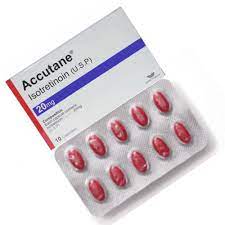
Accutane, also known as isotretinoin, is a powerful medication primarily used for the treatment of severe acne. It belongs to a class of drugs known as retinoids and works by reducing the amount of oil released by the oil glands in the skin, thus preventing the formation of acne. While Accutane has proven to be extremely effective in treating acne, it is essential to understand its uses, benefits, potential side effects, and important warnings.
Uses
Accutane is primarily prescribed to individuals suffering from severe nodular acne that has not responded to other treatment options. This type of acne is often characterized by deep, painful, and persistent lesions or cysts that can leave permanent scars if left untreated. Accutane helps to reduce the severity and frequency of acne breakouts, preventing the formation of new lesions and promoting the healing of existing ones.
Benefits
The main benefit of Accutane is its ability to provide long-term remission or complete resolution of severe acne. It can significantly improve the overall appearance and self-esteem of individuals who have been struggling with debilitating acne for years. By reducing oil production, Accutane also minimizes clogged pores, inflammation, and bacterial growth on the skin. Additionally, it may contribute to a reduction in scarring associated with severe nodular acne.
Side Effects
While Accutane can provide substantial benefits, it is important to note that it also has potential side effects, some of which may be severe. Common side effects include dryness of the skin, lips, and eyes, as well as temporary worsening of acne during the initial weeks of treatment. Other less common side effects may include muscle or joint pain, hair thinning, increased sensitivity to sunlight, and changes in mood or behavior.
More serious side effects, although rare, can occur and require immediate medical attention. These may include severe stomach pain, chest pain or discomfort, difficulty swallowing or breathing, extreme dizziness, severe headache, or vision changes. Patients experiencing any of these symptoms should promptly seek medical assistance.
Warnings
Accutane should not be taken during pregnancy or if there is a possibility of becoming pregnant without discussing the risks and benefits in detail with a healthcare professional. It is known to cause severe birth defects and should not be used by women who are pregnant or planning to become pregnant. Reliable methods of contraception should be used while taking Accutane.
It is also crucial to inform your healthcare provider about any pre-existing medical conditions or allergies before starting Accutane. Individuals with a history of depression, liver disease, diabetes, or high blood lipid levels may require special monitoring or adjustments in dosage. Regular blood tests are typically conducted to monitor liver function and blood lipid levels during the course of treatment.
Furthermore, individuals taking Accutane should avoid waxing, chemical peels, or undergoing laser therapies, as these procedures may cause severe skin irritation or damage. Close attention to sun protection is also crucial, as Accutane can make the skin more susceptible to sunburn.
FAQs
No, Accutane is typically prescribed for severe nodular acne that has not responded to other treatment options. Milder forms of acne are usually managed with other medications and topical treatments.
Accutane has the potential to provide long-term remission or complete resolution of severe acne in many cases. However, individual responses to the medication may vary, and occasional relapses are possible.
Treatment duration varies depending on the severity of acne and individual response. A typical course of treatment lasts about 4 to 6 months. Higher doses or extended treatment may be required in certain cases.
While there have been reports of depression, mood changes, and even suicidal thoughts in some individuals taking Accutane, the relationship between the medication and these symptoms is not fully understood. It is important to monitor your mental wellbeing and notify your healthcare provider of any changes in mood or behavior.
No, alcohol should be avoided while taking Accutane. The combination of Accutane and alcohol can increase the risk of liver damage and other adverse effects.






