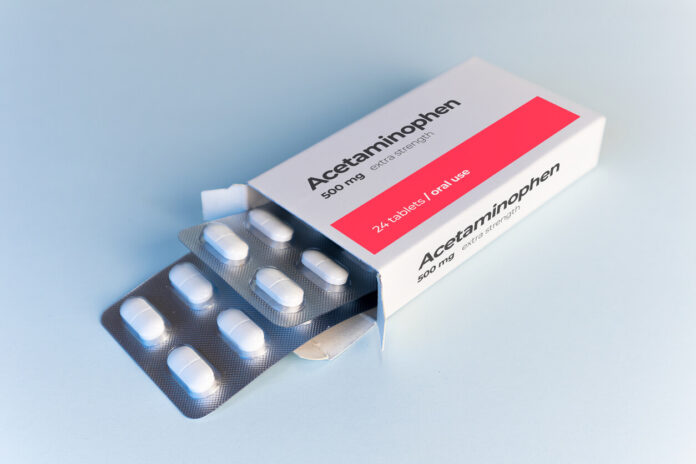
Acetaminophen, commonly known by its brand name Tylenol, is a widely used over-the-counter medication. It belongs to the class of medications known as analgesics, or pain relievers, and antipyretics, or fever reducers. Acetaminophen is one of the most common medications found in household medicine cabinets due to its effectiveness in alleviating pain and reducing fever. In this article, we will explore the uses, benefits, side effects, and warnings associated with acetaminophen.
Uses
Acetaminophen is primarily used to relieve pain and reduce fever. It is commonly utilized to alleviate headaches, muscle aches, toothaches, backaches, and menstrual cramps. Its fever-reducing properties make it effective in cases of mild to moderate fever associated with colds, flu, and other viral or bacterial infections. Acetaminophen can also be used to ease pain associated with mild forms of arthritis.
Benefits
One of the major benefits of acetaminophen is its effectiveness in managing pain and reducing fever. It helps provide relief from common discomforts and allows individuals to resume their daily activities. Furthermore, acetaminophen is relatively safe when used responsibly and according to the recommended dosage. It is also available in various forms, including tablets, capsules, liquid suspensions, and even suppositories, increasing its versatility and ease of use.
Side Effects
While acetaminophen is generally safe when used appropriately, it is crucial to be aware of potential side effects. Some individuals may experience mild side effects such as nausea, stomach upset, or rash. However, severe side effects are rare but can include signs of an allergic reaction (e.g., itching, swelling, difficulty breathing), liver problems, or blood disorders. In case any severe side effects occur, immediate medical attention should be sought.
Warnings
It is important to take certain precautions when using acetaminophen. Individuals with a known allergy to acetaminophen should avoid using this medication. Moreover, it is essential to follow the recommended dosage and avoid exceeding the maximum daily limit. Overdosing on acetaminophen can cause severe liver damage. Therefore, it is crucial to avoid combining acetaminophen with other medications that also contain acetaminophen, as this can lead to unintentional overdosing.
It is advisable to consult with a healthcare professional before taking acetaminophen if you have any pre-existing liver or kidney conditions. Additionally, individuals who consume alcohol regularly or excessively are at an increased risk of liver damage when using acetaminophen. Pregnant and breastfeeding women should consult their healthcare provider before using this medication to ensure its safety for themselves and their infants.
FAQs
Acetaminophen can be taken with or without food. However, if it causes stomach upset, taking it with a meal can help alleviate any discomfort.
It is generally safe to take acetaminophen alongside most medications. However, it is important to consult a healthcare professional to ensure there are no potential interactions with other medications you are taking.
Acetaminophen is commonly used in children for pain relief and fever reduction. However, it is important to carefully follow the recommended dosage based on the child’s age and weight. Consulting a pediatrician is always recommended.
Acetaminophen usually starts working within 30 minutes to an hour after ingestion. However, the duration may vary depending on the individual’s metabolism and the severity of the pain or fever being treated.
conclusion
In conclusion, acetaminophen is a widely used medication known for its pain-relieving and fever-reducing properties. While it provides significant benefits, it is essential to be mindful of the potential side effects and warnings associated with its use. Remember to use acetaminophen responsibly, follow the recommended dosages, and seek medical advice when needed.






