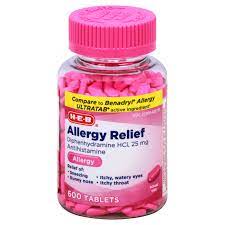
When allergies strike, finding relief becomes a top priority. One medication that is commonly used to alleviate allergy symptoms is Diphenhydramine. This antihistamine has been trusted by millions of people worldwide for its effectiveness in providing relief from sneezing, itching, watery eyes, and other symptoms associated with allergies. In this article, we will explore the uses, benefits, side effects, and warnings of Diphenhydramine.
Uses
Diphenhydramine is primarily used to treat various allergic reactions. It works by blocking the effects of histamine, a substance that is released by the body during an allergic reaction. Some common uses of Diphenhydramine include:
- Relief from seasonal allergies such as hay fever
- Treatment of allergic skin conditions like hives and itching
- Alleviation of symptoms caused by insect bites and stings
- Management of common cold symptoms
- Assistance in reducing sleeplessness caused by allergies
Benefits
The benefits of using Diphenhydramine for allergy relief are numerous. This medication provides quick and effective relief from common allergy symptoms, allowing individuals to resume their daily activities without discomfort or disruption. By targeting histamine receptors in the body, Diphenhydramine helps to alleviate itching, sneezing, and nasal congestion, making it a trusted choice for many allergy sufferers.
Side Effects
While Diphenhydramine can provide significant relief, it is important to be aware of potential side effects. These can include:
- Drowsiness and sedation
- Dizziness or lightheadedness
- Dry mouth, nose, or throat
- Upset stomach or nausea
- Constipation
- Blurred vision
It is essential to follow the recommended dosage and avoid exceeding the recommended limit to minimize the risk of experiencing side effects. If any of these side effects persist or worsen, it is advisable to consult a healthcare professional.
Warnings
While Diphenhydramine is generally safe for use, there are a few important warnings to consider:
- Do not use Diphenhydramine if you have taken a monoamine oxidase inhibitor (MAOI) within the last two weeks, as it may cause a dangerous drug interaction.
- Use caution when operating machinery or driving, as Diphenhydramine can cause drowsiness.
- Individuals with certain medical conditions, such as glaucoma, asthma, high blood pressure, or prostate problems, should consult their healthcare provider before taking Diphenhydramine.
- Diphenhydramine should not be used in children under the age of two without medical guidance.
- Excessive alcohol consumption should be avoided when using Diphenhydramine, as it may increase the risk of certain side effects.
FAQs (Frequently Asked Questions)
It is recommended to consult your healthcare provider before taking Diphenhydramine if you have asthma or any other respiratory condition.
Diphenhydramine should not be used in children under the age of two without medical guidance. It is always best to consult a pediatrician for appropriate allergy relief options for children.
Diphenhydramine typically starts providing relief within 30 minutes to an hour after ingestion.
It is essential to consult a healthcare professional or pharmacist before combining Diphenhydramine with other medications to avoid potential interactions.
It is recommended to use Diphenhydramine for short-term relief. If symptoms persist, consult a healthcare professional for further evaluation and guidance.