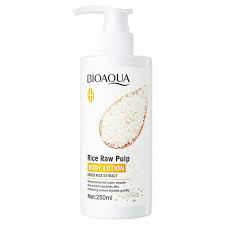
Body lotion is a topical medication that is used to treat various skin conditions and provide moisturization to the skin. It is commonly used to relieve dryness, itchiness, and irritation caused by different factors such as weather conditions, allergies, or underlying skin conditions.
Uses
Body lotion is primarily used to hydrate and moisturize the skin. It helps to replenish and lock in moisture, preventing dryness and keeping the skin soft and supple. Additionally, body lotion can be used to:
- Relieve itching and irritation caused by dry skin
- Soothe and nourish sunburned skin
- Provide relief from minor skin rashes and irritations
- Help heal and protect cracked or chapped skin
- Improve the overall appearance and texture of the skin
Benefits
Using body lotion regularly can offer numerous benefits for your skin health and appearance. Some of the key benefits include:
- Moisturization: Body lotion deeply hydrates the skin, preventing dryness and flakiness.
- Protection: It forms a protective barrier on the skin, shielding it from environmental factors such as harsh weather conditions and pollution.
- Relief: Body lotion provides relief from itching and irritation, offering a soothing effect on the skin.
- Anti-Aging: Regular use of body lotion can help reduce the signs of aging, such as fine lines and wrinkles, by keeping the skin hydrated and promoting elasticity.
- Skin Healing: Body lotion aids in the healing process of minor skin irritations, cuts, and burns, promoting faster recovery.
Side Effects
While body lotion is generally safe for use, some individuals may experience certain side effects, especially if they have sensitive skin or are allergic to certain ingredients. Common side effects may include:
- Skin irritation or redness
- Allergic reactions, such as itching or hives
- Breakouts or acne flare-ups
- Stinging or burning sensation
- Dryness or peeling of the skin
If you experience any severe or persistent side effects, it is recommended to discontinue use and consult a healthcare professional.
Warnings
While body lotion is generally safe for use, it is important to keep the following warnings in mind:
- Avoid applying body lotion on open wounds, cuts, or infected areas of the skin.
- Do not use body lotion on your face unless it is specifically formulated for facial use.
- If you have any known allergies or sensitivities, check the ingredients list before using a body lotion to avoid potential reactions.
- If you are pregnant or breastfeeding, consult your healthcare provider before using any new medication, including body lotion.
- Keep body lotion out of reach of children to prevent accidental ingestion.
FAQs
It is generally not recommended to use body lotion on the face, as facial skin is more delicate and may require specific formulations. Look for a moisturizer specifically designed for facial use.
It is recommended to apply body lotion at least once a day, preferably after a shower or bath, to lock in moisture. However, you can apply it more often if needed, especially in dry or cold weather conditions.
Body lotion can provide relief for mild eczema symptoms, such as dryness and itching. However, it is best to consult a healthcare professional for appropriate treatment options for severe or persistent eczema.
If you have known allergies or sensitivities, it is important to avoid body lotions that contain ingredients you are allergic to. Common allergens include fragrances, preservatives, and certain types of oils.
Body lotion can be used on most skin types, but it is important to choose a lotion that suits your specific skin needs. For example, individuals with oily skin may prefer a lighter, non-comedogenic lotion, while those with dry skin may benefit from a richer, more hydrating formula.