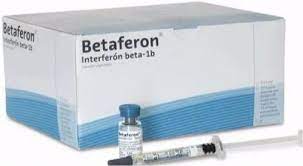
Beta 1 Injection is a medication that belongs to the class of beta-blockers. It contains a specific type of beta-blocker called Beta 1 receptor antagonists. These medications are commonly used to treat various cardiovascular conditions. Beta 1 Injection works by blocking the action of certain chemicals in the body, which helps to lower blood pressure, reduce heart rate, and improve heart function.
Uses
Beta 1 Injection is primarily prescribed for the management of hypertension (high blood pressure). It is also used to treat angina (chest pain) and certain heart rhythm disorders such as atrial fibrillation. Additionally, it may be prescribed to prevent future heart attacks in patients who have previously experienced one.
Benefits
Beta 1 Injection offers numerous benefits for patients with cardiovascular conditions. The medication helps to relax blood vessels, allowing blood to flow more easily and reducing the workload on the heart. By lowering blood pressure and heart rate, it helps to improve overall heart function and decrease the risk of complications associated with high blood pressure, such as heart attacks and strokes. Beta 1 Injection can also help alleviate symptoms of angina, such as chest pain, by improving blood flow to the heart.
Side Effects
Like any medication, Beta 1 Injection may cause certain side effects. Common side effects include fatigue, dizziness, headache, upset stomach, and cold hands or feet. These side effects are usually mild and temporary, disappearing as the body adjusts to the medication. However, if these side effects persist or worsen, it is important to consult a healthcare professional.
Rare but more serious side effects may occur, such as slow or irregular heartbeat, shortness of breath, swelling of the hands or feet, and mental or mood changes. If any of these symptoms occur, immediate medical attention should be sought. It is also essential to inform your healthcare provider of any pre-existing medical conditions or allergies before starting Beta 1 Injection to minimize the risk of adverse reactions.
Warnings
There are several important warnings associated with the use of Beta 1 Injection. This medication should not be abruptly stopped, as it may lead to a rapid increase in heart rate and blood pressure, potentially causing serious complications. It is important to follow the prescribed dosage and gradually taper off the medication under medical supervision.
Beta 1 Injection may interact with other medications, including certain blood pressure medications, heart rhythm medications, and antidepressants. It is crucial to inform your doctor about all current medications, including over-the-counter drugs and herbal supplements, to avoid potentially harmful interactions.
Individuals with certain medical conditions, such as asthma, diabetes, or liver disease, may require special monitoring while taking Beta 1 Injection. Pregnant or breastfeeding women should consult their healthcare provider before using this medication, as its safety during pregnancy or lactation has not been established.
FAQs
No, it is important to gradually reduce the dosage of Beta 1 Injection under medical supervision to avoid potential complications.
Yes, dizziness is a common side effect of Beta 1 Injection. If it persists or worsens, consult your doctor.
Individuals with asthma should exercise caution when taking Beta 1 Injection and consult their healthcare provider for proper monitoring.
Yes, Beta 1 Injection may interact with certain medications, including blood pressure medications and antidepressants. Inform your doctor about all current medications.
The safety of Beta 1 Injection during pregnancy has not been established. Pregnant women should consult their healthcare provider before using this medication.