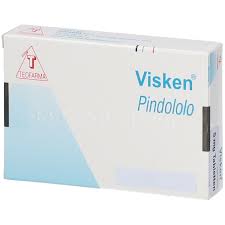
Visken is a prescription medication that contains the active ingredient Pindolol. It belongs to a class of medications called beta-blockers, which are used to treat various medical conditions such as high blood pressure, angina, and heart rhythm disorders. In this article, we will discuss the uses, benefits, side effects, and warnings of Visken.
Uses
Visken is primarily used to treat high blood pressure (hypertension). It works by blocking the effects of adrenaline, a hormone that increases the heart rate and raises blood pressure. By doing so, Visken helps to lower blood pressure and reduce the risk of heart attacks, strokes, and other complications associated with hypertension.
In addition to hypertension, Visken may also be used to treat angina (chest pain) caused by coronary artery disease. It can help to relieve symptoms such as chest discomfort, shortness of breath, and fatigue by reducing the workload on the heart.
Visken may also be used to treat certain heart rhythm disorders such as atrial fibrillation or ventricular tachycardia. It can help to slow down the heart rate and maintain a regular heartbeat.
Benefits
The main benefit of Visken is its ability to lower blood pressure, which can reduce the risk of heart attacks, strokes, and other complications associated with hypertension. By improving blood flow to the organs, Visken can also help to improve overall health and quality of life.
Visken can also help to relieve symptoms of angina, such as chest pain, shortness of breath, and fatigue. By reducing the workload on the heart, Visken can help to improve exercise tolerance and reduce the frequency and severity of angina attacks.
For people with certain heart rhythm disorders, Visken can help to maintain a regular heartbeat and reduce the risk of complications such as stroke.
Side Effects
As with most medications, Visken can cause side effects in some people. Common side effects of Visken include:
– Dizziness or lightheadedness
– Fatigue or weakness
– Nausea or vomiting
– Headache
– Diarrhea
– Cold hands or feet
– Insomnia
– Erectile dysfunction
These side effects are usually mild and go away on their own over time. However, if they persist or become severe, you should talk to your doctor.
In rare cases, Visken can cause more serious side effects such as:
– Worsening of heart failure
– Low blood pressure
– Slow heartbeat
– Breathing problems
– Allergic reactions
If you experience any of these side effects, you should seek medical attention immediately.
Warnings
Before taking Visken, you should inform your doctor if you have any of the following conditions:
– Asthma or other breathing problems
– Heart failure
– Diabetes
– Liver or kidney disease
– Thyroid problems
– Nerve disorders
– Allergies to medications
You should also inform your doctor if you are pregnant or breastfeeding.
Visken can interact with other medications, so be sure to tell your doctor about all the medications you are taking, including prescription and over-the-counter medications, vitamins, and herbal supplements.
Visken can cause dizziness or lightheadedness, especially when you first start taking it or if you increase the dosage. To avoid falls or accidents, you should avoid driving or operating heavy machinery until you know how Visken affects you.
FAQs
Visken is used to treat high blood pressure, angina, and heart rhythm disorders.
Visken works by blocking the effects of adrenaline, a hormone that increases the heart rate and raises blood pressure.
Common side effects of Visken include dizziness, fatigue, nausea, headache, and cold hands or feet.
You should inform your doctor if you are pregnant or breastfeeding before taking Visken.
Visken may not be safe for everyone to use. You should inform your doctor if you have any medical conditions or allergies before taking Visken.