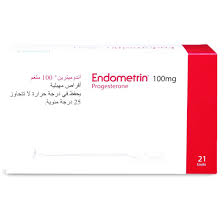
If you are dealing with fertility issues or struggling with maintaining a pregnancy, your healthcare provider may prescribe you with Endometrin. Endometrin is a medication that contains progesterone, a hormone that is naturally released by the female body during the menstrual cycle. Endometrin is one of the routes of administration for progesterone and comes in the form of a vaginal insert.
In this article, we will discuss the uses and benefits of Endometrin, its side effects, and the warnings associated with its use.
Uses
Endometrin is primarily used to support fertility treatment and to maintain pregnancy. The medication is used to help establish and maintain an environment in the uterus that is conducive to supporting a fertilized egg. Endometrin is generally prescribed to women who have low levels of natural progesterone or who have experienced multiple miscarriages due to progesterone deficiency.
Endometrin is also used to prepare the uterus for embryo transfer during In Vitro Fertilization (IVF) procedures. In addition, it may be used to treat abnormal uterine bleeding caused by hormonal imbalances.
Benefits
The primary benefit of Endometrin is that it helps maintain pregnancy by supporting the uterine environment necessary for the fertilized egg to survive and thrive. By supplementing the body with progesterone, Endometrin helps thicken the lining of the uterus and decrease uterine contractions that could otherwise prevent a fertilized egg from attaching itself to the uterine wall.
Moreover, Endometrin does not create any unhealthy side effects or changes in the body, in other words, it mimics natural progesterone and hence causes fewer fluctuations.
Side Effects
Like any other medication, Endometrin comes with its own set of side effects, albeit some not very common, and most of them are generally mild and self-limiting.
The most common side effects of Endometrin include nausea, headache, vaginal bleeding, stomach upset, diarrhea, cramping, and back pain. Some women have experienced vaginal itching or discharge, irritability, fatigue, and drowsiness.
Some severe but rare side effects of Endometrin include:
– Blood clots
– Lightheadedness
– Severe abdominal pain
– Severe headache
– Chest pain and shortness of breath
If you encounter any severe side effects whilst taking Endometrin, it is advisable to seek urgent medical attention.
Warnings
It is important that you share with your healthcare professional your medical history and any other medications you may be currently taking before starting with Endometrin. Endometrin may not be safe for some patients such as those who have experienced clotting disorders, breast or reproductive cancer, or liver disease.
Endometrin may be harmful to a developing fetus, and hence it is not advisable during pregnancy unless strongly indicated by your health professional.
In addition, the medication may interfere with some laboratory tests, and hence it is advisable to inform your doctor if you’re taking Endometrin if you undergo any tests.
conclusion
In conclusion, Endometrin has proven to be an effective medication in supporting fertility treatment and maintaining pregnancy. As with all medications, it’s essential to be aware of potential side effects, follow dosage guidelines, and advise your healthcare professional of any changes experienced.
FAQs
Endometrin is prescribed as a vaginal insert that is inserted via an applicator into the vagina. Typically, this should be done before bedtime. You should follow the instructions given by your doctor to use Endometrin safely and effectively.
It is advisable not to miss a dose of Endometrin. However, if you miss a dose, you should take it as soon as you remember. If it is already time for the next dose, skip the one you missed and stick to your usual dosing schedule. Do not take a double dose of Endometrin.
Can Endometrin be used during premenopausal women?
The length of treatment with Endometrin varies from woman to woman and the underlying reason for which it is prescribed. Your healthcare provider will advise you how long you should continue using Endometrin.
Endometrin is not known to have adverse effects on the baby through breastfeeding. However, it is advisable to talk to your healthcare professional before continuing with Endometrin whilst breastfeeding.






