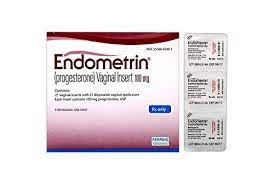
Endometrin Vaginal is a medication prescribed for women undergoing fertility treatment or who have experienced certain reproductive health issues. This article will explore the uses, benefits, side effects, and warnings associated with Endometrin Vaginal.
Uses
Endometrin Vaginal is primarily used to support the development of pregnancy in women who have undergone fertility treatment, such as in vitro fertilization (IVF). It contains progesterone, a hormone that is naturally produced by the ovaries during the second half of the menstrual cycle. By supplementing progesterone levels, Endometrin Vaginal helps prepare the uterine lining for embryo implantation and supports early pregnancy.
Additionally, Endometrin Vaginal may be prescribed to treat certain reproductive health conditions, including luteal phase deficiency (a condition where the body does not produce enough progesterone) and amenorrhea (absence of menstrual periods).
Benefits
The main benefit of using Endometrin Vaginal is its ability to support the development of pregnancy in women undergoing fertility treatments. By providing the necessary progesterone levels, it helps create a favorable environment for the embryo to implant and grow. This can increase the chances of a successful pregnancy.
Furthermore, Endometrin Vaginal can help regulate the menstrual cycle in women with luteal phase deficiency or amenorrhea. Restoring proper progesterone levels can promote regular ovulation and menstruation.
Side Effects
While Endometrin Vaginal is generally well-tolerated, some women may experience side effects. Common side effects include mild irritation or discomfort in the vagina, breast tenderness, headache, dizziness, nausea, and bloating. These side effects are usually temporary and resolve on their own.
In rare cases, more severe side effects may occur. These can include severe allergic reactions, chest pain, shortness of breath, severe headache, vision changes, and leg swelling. If any of these symptoms occur, it is important to seek immediate medical attention.
Warnings
Before using Endometrin Vaginal, it is important to inform your healthcare provider about any medical conditions you have, especially if you have a history of blood clots, liver disease, or certain cancers. Additionally, disclose any medications or supplements you are currently taking, as they may interact with Endometrin Vaginal.
Endometrin Vaginal should not be used by individuals who are allergic to progesterone or any of its components. It is also not recommended for use during pregnancy unless specifically prescribed by a healthcare professional.
While Endometrin Vaginal is generally safe, it is always important to follow the prescribed dosage and instructions provided by your healthcare provider. If you have any concerns or questions about the medication, do not hesitate to consult with your doctor.
FAQs
Endometrin Vaginal should only be used during pregnancy if specifically prescribed by a healthcare professional. It is primarily used to support the development of pregnancy in women undergoing fertility treatment.
Endometrin Vaginal is inserted into the vagina using a disposable applicator provided with the medication. It is usually administered two to three times a day, as prescribed by your doctor.
There are no specific dietary restrictions associated with using Endometrin Vaginal. However, it is always recommended to maintain a healthy and balanced diet during fertility treatment.
Weight gain is not a commonly reported side effect of Endometrin Vaginal. If you notice any significant changes in your weight while using this medication, consult with your healthcare provider to rule out other possible causes.
It is recommended to avoid using tampons while using Endometrin Vaginal, as they may interfere with the absorption of the medication. Instead, use sanitary pads if necessary.






