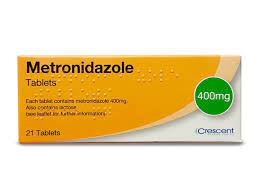
Metrozole is a medication commonly prescribed by healthcare professionals to treat various types of infections caused by bacteria. This article explores the uses, benefits, side effects, and warnings associated with Metrozole.
Uses
Metrozole is primarily used to treat infections caused by certain types of bacteria. It is commonly prescribed for the treatment of bacterial vaginosis, a condition characterized by an overgrowth of harmful bacteria in the vagina. Additionally, Metrozole may be used to treat infections in other parts of the body, such as the intestines, skin, bones, respiratory tract, and pelvic area.
Furthermore, Metrozole is sometimes used in combination with other medications to treat certain stomach and intestinal ulcers caused by Helicobacter pylori bacteria.
Benefits
The main benefit of Metrozole is its ability to combat bacterial infections effectively. By inhibiting the growth and spread of bacteria, Metrozole helps alleviate symptoms and promote healing. It is particularly effective against anaerobic bacteria, which do not require oxygen to survive.
Patients who suffer from bacterial vaginosis often experience symptoms such as vaginal discharge, itching, and a foul odor. Metrozole can help reduce these symptoms, restore the balance of bacteria in the vagina, and improve overall vaginal health.
In cases of stomach and intestinal ulcers, Metrozole, when used in combination with other medications, can help eradicate the Helicobacter pylori bacteria, allowing the ulcers to heal and preventing their recurrence.
Side Effects
While Metrozole is generally well-tolerated, it may cause some side effects in certain individuals. Common side effects include nausea, vomiting, stomach pain, diarrhea, dizziness, headache, and a metallic taste in the mouth. These side effects are usually mild and resolve on their own without any intervention.
In rare cases, more serious side effects may occur, such as allergic reactions characterized by rash, itching, swelling, severe dizziness, and difficulty breathing. If any of these symptoms occur, immediate medical attention should be sought.
It is important to note that Metrozole may interact with other medications. Patients should inform their healthcare provider of any other medications they are taking to avoid potential drug interactions.
Warnings
Prior to taking Metrozole, patients should disclose their medical history to their healthcare provider, especially if they have a history of liver disease, kidney disease, blood disorders, or any allergies. This information will help the healthcare provider determine if Metrozole is a suitable treatment option and if any dosage adjustments are necessary.
It is crucial to complete the full course of Metrozole as prescribed by the healthcare provider, even if symptoms improve before the treatment is finished. Incomplete treatment may result in the bacteria becoming resistant to the medication, rendering it less effective in future infections.
Patients should avoid consuming alcohol while taking Metrozole and for at least 48 hours after completing the treatment. Combining alcohol with Metrozole can cause severe nausea, vomiting, abdominal pain, and headaches.
Pregnant women should exercise caution when taking Metrozole, and it should only be used if the potential benefits outweigh the potential risks. Breastfeeding women should also consult their healthcare provider before starting Metrozole, as the medication may pass into breast milk.
FAQs
No, Metrozole is specifically designed to treat bacterial infections and is not effective against viral infections, such as the common cold or flu.
The onset of action varies depending on the type and severity of the infection. However, most patients start experiencing relief from symptoms within a few days of starting Metrozole.
Yes, Metrozole can be used in children, but the dosage may need to be adjusted based on their weight and age. It is important to consult a healthcare provider for appropriate dosing instructions.
Metrozole can be taken with or without food. However, taking it with food may help reduce the chances of developing stomach upset or nausea.
If a dose is missed, it should be taken as soon as remembered. However, if it is close to the time for the next dose, the missed dose should be skipped. It is important not to double the dose to make up for the missed one.






