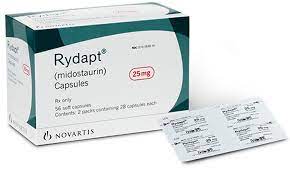
Rydapt: Uses – Side Effects – Warnings
Rydapt, also known as midostaurin, is a medication used to treat certain types of leukemia and other blood disorders. It was approved by the U.S Food and Drug Administration (FDA) in 2017. In this article, we will explore the different uses, benefits, side effects, and warnings of Rydapt.
Uses
Rydapt is primarily used to treat acute myeloid leukemia (AML), a type of cancer that affects the blood and bone marrow. It is specifically used in patients who carry a genetic mutation known as FLT3. Rydapt works by inhibiting the FLT3 protein, which slows down the growth and spread of leukemia cells.
Aside from AML, Rydapt is also used to treat a rare type of blood disorder called systemic mastocytosis. In this condition, there is an abnormal accumulation of mast cells in different organs of the body, leading to a variety of symptoms such as skin rashes, abdominal pain, and bone pain. Rydapt helps to reduce the number of mast cells and alleviate the symptoms.
Benefits
The primary benefit of Rydapt is that it can improve the survival rates of patients with AML who carry the FLT3 mutation. Clinical studies have shown that patients who received Rydapt along with standard chemotherapy had a significantly higher rate of complete remission than those who received chemotherapy alone. They also had a longer period before the cancer returned or worsened.
Rydapt can also help to alleviate the symptoms of systemic mastocytosis, such as itching and flushing. However, it is important to note that Rydapt does not cure the disorder. It only helps to manage the symptoms and slow down the progression of the disease.
Side Effects
Like all medications, Rydapt can cause side effects. The most common side effects include:
– Nausea and vomiting
– Diarrhea
– Fatigue
– Mouth sores
– Decreased appetite
– Headache
These side effects are usually mild and go away within a few days. However, if they persist or become severe, you should contact your healthcare provider.
In some cases, Rydapt can cause more serious side effects. These include:
– Infections: Rydapt can lower your immune system, making you more susceptible to infections. You should avoid contact with people who have contagious illnesses and practice good hygiene to prevent infections.
– Bleeding: Rydapt can increase the risk of bleeding, especially in the digestive tract and brain. You should seek medical attention if you experience any signs of bleeding, such as black stools or severe headaches.
– Liver damage: Rydapt can cause liver damage, which can be detected through blood tests. You should avoid alcohol and certain medications while taking Rydapt to minimize the risk of liver damage.
Warnings
Before taking Rydapt, you should inform your healthcare provider if you have any of the following conditions:
– Liver or kidney problems
– Heart disease
– High blood pressure
– History of bleeding or blood clotting disorders
– Pregnant or planning to become pregnant
– Breastfeeding
Rydapt can interact with other medications, so you should also inform your healthcare provider of any medications you are currently taking. This includes over-the-counter medications, herbal supplements, and vitamins.
FAQs
No, Rydapt is not a chemotherapy medication. It is a targeted therapy medication that specifically targets the FLT3 protein in leukemia cells.
The length of time you need to take Rydapt depends on your individual situation and your healthcare provider’s recommendation. You may need to take it for several months or longer.
No, Rydapt cannot cure leukemia. It only helps to slow down the growth and spread of leukemia cells.
No, you should avoid drinking alcohol while taking Rydapt. Alcohol can increase the risk of liver damage, which is a potential side effect of Rydapt.
Hair loss is not a common side effect of Rydapt. However, if you experience any unexpected hair loss, you should inform your healthcare provider.






