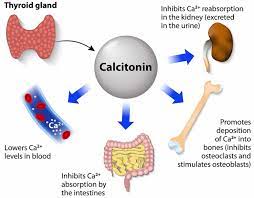
Calcitonin is a hormone that is naturally produced by the thyroid gland. It plays a crucial role in regulating calcium levels in the body. However, synthetic versions of calcitonin are also available as medications. In this article, we will explore the uses, benefits, side effects, and warnings associated with calcitonin.
Uses
Calcitonin is primarily used to treat osteoporosis, a condition characterized by weakened bones. It helps increase bone density and reduce the risk of fractures. Additionally, calcitonin is also used to manage hypercalcemia, a condition marked by abnormally high levels of calcium in the blood.
Benefits
When used for osteoporosis, calcitonin can help slow down bone loss and reduce the risk of fractures, particularly in postmenopausal women. It has been shown to improve bone mineral density, which in turn enhances skeletal strength. Moreover, calcitonin may also alleviate pain associated with bone fractures by exerting an analgesic effect.
In cases of hypercalcemia, calcitonin acts by inhibiting the release of calcium from bones and promoting its excretion through the kidneys. This helps normalize calcium levels in the blood, preventing complications associated with high calcium levels, such as kidney stones and damage to the heart and blood vessels.
Side Effects
Like any medication, calcitonin may cause certain side effects in some individuals. The most common side effects include nausea, flushing of the face, an increase in urinary frequency, and nasal dryness or irritation if taken intranasally. These side effects are generally mild and temporary. However, if any of these side effects persist or worsen, it is advisable to consult a healthcare professional.
In rare cases, individuals may experience allergic reactions to calcitonin. Symptoms of an allergic reaction include rash, itching, swelling, severe dizziness, and difficulty breathing. If any of these symptoms occur after taking calcitonin, immediate medical attention should be sought.
Warnings
Although calcitonin is generally well-tolerated, there are certain precautions and warnings that should be considered before starting this medication. Individuals with a history of allergies to salmon products or similar medications should exercise caution and consult their healthcare provider. Furthermore, calcitonin should be used with caution in individuals with kidney problems, as it can affect kidney function.
Pregnant women are advised to consult their doctor before using calcitonin, as its safety during pregnancy has not been established. It is also unknown whether calcitonin passes into breast milk, so nursing mothers should discuss potential risks with their healthcare provider.
The long-term use of calcitonin may result in a decrease in bone density in certain individuals. Therefore, regular monitoring of bone density may be necessary while using this medication.
FAQs
Currently, calcitonin is primarily used for osteoporosis and hypercalcemia and has not been approved for other conditions. Its effectiveness in treating other conditions is still being studied.
There are no specific dietary restrictions associated with calcitonin. However, it is always advisable to maintain a balanced diet rich in calcium and vitamin D to support bone health.
Calcitonin can be administered using various methods. It is available in injectable form, nasal spray, and nasal spray pump. The appropriate method of administration will be determined by healthcare professionals based on individual needs and preferences.
Some individuals may experience mild nasal irritation when using calcitonin nasal spray. This usually subsides with continued use. If irritation persists or worsens, it is advisable to consult a healthcare professional.
Calcitonin is primarily used to slow down bone loss and reduce fracture risk in individuals with osteoporosis. It is not typically used as a preventive measure in individuals with healthy bone density. However, it is always important to discuss individual risk factors with a healthcare provider.






