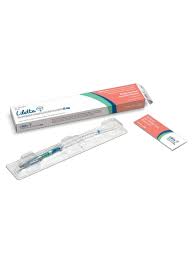
Liletta IUD (intrauterine device) is a small, T-shaped contraceptive device that is implanted into a woman’s uterus to provide long-term birth control. It is highly effective and has been approved by the Food and Drug Administration (FDA). This article explores the uses, benefits, side effects, and warnings associated with Liletta IUD.
Uses of Liletta IUD
Liletta IUD is primarily used for birth control. Once inserted, it releases a hormone called levonorgestrel, which is a progestin. This hormone helps prevent pregnancy by thickening the cervical mucus, making it difficult for sperm to reach the egg. Additionally, Liletta IUD also changes the lining of the uterus, making it less receptive to implantation of a fertilized egg.
Benefits of Liletta IUD
1. Highly effective: Liletta IUD is over 99% effective in preventing pregnancy, making it one of the most reliable forms of contraception available.
2. Long-lasting: Once inserted, Liletta IUD provides contraception for up to six years, making it a convenient option for women who don’t want to worry about daily birth control methods.
3. Hormonal control: The levonorgestrel hormone released by Liletta IUD not only prevents pregnancy but may also help reduce heavy menstrual bleeding and relieve certain menstrual-related symptoms.
4. Easily reversible: If you decide to become pregnant or want to discontinue its use, your healthcare provider can remove the Liletta IUD at any time, allowing for a quick return to fertility.
Side Effects of Liletta IUD
While Liletta IUD is generally well-tolerated, some users may experience side effects. These side effects are typically mild and may include:
1. Irregular bleeding: During the first few months of using Liletta IUD, you may experience spotting or irregular bleeding. However, this usually resolves over time.
2. Cramping or discomfort: Mild cramping or discomfort may occur following the insertion of Liletta IUD, but it usually subsides within a few weeks.
3. Hormonal changes: Some women may experience changes in their menstrual cycle, such as lighter periods or skipped periods. This is a normal effect of the hormone released by Liletta IUD.
4. Acne or skin changes: In rare cases, Liletta IUD may lead to acne breakouts or changes in skin condition. These side effects are usually mild and temporary.
5. Expulsion or migration: Although rare, there is a small chance that Liletta IUD may become partially or completely expelled from the uterus or migrate to a different position. If you suspect this has occurred, contact your healthcare provider.
Warnings with Liletta IUD
While Liletta IUD is a safe and effective contraceptive, it may not be suitable for everyone. It is essential to discuss your medical history and any potential contraindications with your healthcare provider before deciding to use Liletta IUD. Some important warnings associated with Liletta IUD include:
1. Allergy to levonorgestrel: If you are allergic to levonorgestrel or any other component of Liletta IUD, you should not use it.
2. Current or past pelvic inflammatory disease (PID): Liletta IUD may increase the risk of pelvic inflammatory disease, so it should not be used in individuals with active PID or a history of recurrent PID.
3. Untreated sexually transmitted infections (STIs): If you have an active STI, it is important to treat the infection before inserting Liletta IUD to prevent complications.
4. Uterine abnormalities or cancer: Liletta IUD may not be suitable for individuals with certain uterine abnormalities or a history of uterine cancer. Discuss these conditions with your healthcare provider.
5. Ectopic pregnancy: If you become pregnant while using Liletta IUD, there is an increased risk of ectopic pregnancy, which is a potentially life-threatening condition. Seek medical attention immediately if you experience severe abdominal pain or unusual bleeding.
Frequently Asked Questions (FAQs)
Liletta IUD is similar to other hormonal IUDs, such as Mirena and Skyla, but each has specific differences in terms of hormone dosage, duration of effectiveness, and size.
No, Liletta IUD only provides contraception and does not protect against STIs. It is important to use barrier methods, such as condoms, to prevent STIs.
Weight gain is not a commonly reported side effect of Liletta IUD. However, individual experiences may vary, and some users may notice slight weight changes.
Most women report mild to moderate discomfort during the insertion procedure. However, healthcare providers may offer pain-relief options to minimize discomfort.
Yes, Liletta IUD can be used while breastfeeding, as it does not interfere with milk production or quality. However, it is recommended to wait until at least six weeks after delivery to minimize the risk of infection during insertion.
conclusion
In conclusion, Liletta IUD is a reliable contraceptive choice, offering long-lasting birth control with additional benefits such as hormonal control and ease of use. While side effects are generally mild and well-tolerated, it is important to discuss any concerns or potential contraindications with your healthcare provider before choosing Liletta IUD as your birth control method.






