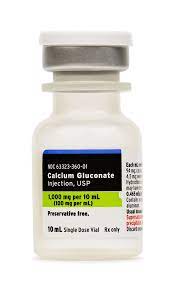
Calcium gluconate is a medication that contains calcium, an essential mineral for the human body. This article provides information about the uses, benefits, side effects, and warnings associated with calcium gluconate.
Uses
Calcium gluconate is primarily used to treat conditions associated with low levels of calcium in the body. It is often prescribed for individuals with low blood calcium levels, conditions such as hypocalcemia, osteoporosis, and certain muscle disorders. Calcium gluconate is also used as a supplement for individuals who have a deficiency of calcium in their diet.
Benefits
Calcium plays a crucial role in maintaining strong bones and teeth. It is necessary for proper muscle function, nerve transmission, and the release of hormones. Calcium gluconate helps to restore calcium levels in the body, promoting overall health and preventing calcium-related complications such as osteoporosis.
Calcium gluconate supplements are also beneficial for pregnant women as they aid in fetal development and can prevent conditions like preeclampsia. Moreover, calcium gluconate may help alleviate symptoms of premenstrual syndrome (PMS) and prevent leg cramps during pregnancy.
Side Effects
Although calcium gluconate is generally safe when used as directed, it may cause certain side effects. Common side effects include constipation, nausea, stomach upset, and an increased risk of kidney stones when taken in high doses or for extended periods of time. If you experience any severe or persistent side effects, it is important to consult your healthcare provider.
Warnings
While calcium gluconate is considered safe for most individuals, certain precautions should be taken into account:
1. Allergic Reactions: Allergic reactions to calcium gluconate are rare but possible. If you experience any signs of an allergic reaction, such as rash, itching, swelling, or difficulty breathing, seek immediate medical attention.
2. Drug Interactions: Calcium gluconate may interact with certain medications such as tetracycline antibiotics and certain osteoporosis drugs. It is essential to inform your healthcare provider about any medications you are taking to avoid potential interactions.
3. Kidney Stones: Individuals with a history of kidney stones should use caution when taking calcium gluconate as it may increase the risk of developing new stones.
4. High Calcium Levels: Calcium gluconate should not be used by individuals with high blood calcium levels as it may worsen the condition and lead to complications.
5. Calcium Gluconate Infusion: An infusion of calcium gluconate should only be administered by trained healthcare professionals, as it can cause serious adverse effects if not properly administered.
Frequently Asked Questions (FAQs)
Here are answers to some common questions about calcium gluconate:
It is crucial to follow your healthcare provider’s instructions regarding the dosage. The dosage may vary depending on your specific condition and age.
Yes, calcium gluconate can be taken with or without food. However, it is advisable to consult your healthcare provider for personalized instructions.
Calcium gluconate supplements can be beneficial during pregnancy. It is always recommended to consult with your healthcare provider before starting any new medications or supplements during pregnancy.
The duration of calcium gluconate supplementation depends on the underlying condition being treated. It is crucial to follow your healthcare provider’s advice regarding the duration of treatment.
Yes, several foods are excellent sources of calcium, including dairy products, leafy greens, tofu, fortified plant-based milk, and certain types of fish.
In conclusion, calcium gluconate is a medication used to treat calcium deficiency and related conditions. It is important to follow the recommended dosage, be aware of possible side effects, and consider any warnings associated with its use. If you have specific concerns or questions about taking calcium gluconate, consult your healthcare provider for guidance tailored to your individual needs.






