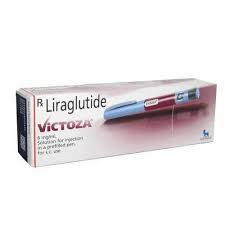
Uses
Liraglutide is a medication used to treat type 2 diabetes mellitus and obesity. It belongs to a class of drugs called glucagon-like peptide-1 (GLP-1) receptor agonists. In patients with diabetes, liraglutide helps regulate blood sugar levels by stimulating insulin release, reducing glucagon secretion, and slowing down the emptying of the stomach. It can be used alone or in combination with other anti-diabetic medications. In the treatment of obesity, liraglutide acts on the brain to increase feelings of fullness, leading to reduced food intake and weight loss.
Benefits
Liraglutide offers several benefits for patients with diabetes and obesity. For individuals with type 2 diabetes, it can help improve glycemic control and reduce the risk of cardiovascular complications. In weight management, liraglutide has proven to be effective in promoting weight loss when combined with a reduced-calorie diet and increased physical activity. It can also improve certain obesity-related conditions such as high blood pressure and obstructive sleep apnea.
Side Effects
While liraglutide is generally well-tolerated, it can cause some side effects. Common side effects include nausea, vomiting, diarrhea, constipation, stomach pain, and decreased appetite. These symptoms are usually mild and tend to diminish over time. In rare cases, more serious side effects such as pancreatitis (inflammation of the pancreas), thyroid tumors, gallbladder problems, and severe allergic reactions have been reported. It’s important to consult a healthcare professional if any unexpected or concerning side effects occur.
Warnings
Before starting liraglutide, it is crucial to inform your doctor about any existing medical conditions, especially pancreatitis, thyroid problems, kidney disease, or a history of gallbladder disease. Liraglutide is not recommended for use during pregnancy and breastfeeding due to limited safety data. Additionally, it should be used with caution in elderly patients, those with a history of medullary thyroid carcinoma, and individuals with multiple endocrine neoplasia syndrome type 2 (MEN 2). Liraglutide may interact with certain medications, so it is essential to disclose all current medications to the prescribing physician.
FAQs
Liraglutide usually starts working within a few weeks of starting the medication. However, the full effect on blood sugar control or weight loss may take several months.
Liraglutide is most effective when used in combination with a reduced-calorie diet and increased physical activity. It should not be used as a sole method for weight loss.
No specific dietary restrictions are necessary while taking liraglutide. However, it is recommended to follow a balanced and healthy eating plan for optimal results.
Liraglutide alone is unlikely to cause low blood sugar. However, when used in combination with other anti-diabetic medications such as insulin or sulfonylureas, it may increase the risk of hypoglycemia. Close monitoring is advised in such cases.
Liraglutide has shown benefits for cardiovascular health in patients with diabetes. It has been associated with a reduced risk of major adverse cardiovascular events, such as heart attack and stroke.