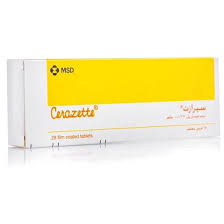
Cerazette is a hormonal contraceptive used to prevent pregnancy. It contains a synthetic progestogen hormone known as desogestrel. It effectively prevents pregnancy by thickening the cervical mucus, thus making it hard for the sperm to reach the uterus. In this article, we will write about the uses, benefits, side effects and warnings associated with taking Cerazette.
Uses
Cerazette is primarily used as a contraceptive, but it also provides relief for certain medical conditions such as endometriosis, heavy menstrual bleeding, and painful periods. It is also prescribed to regulate menstrual cycles and treat acne.
Benefits
Cerazette is beneficial for women who wish to prevent pregnancy or have underlying medical conditions that require hormonal therapy. Some of the advantages of using Cerazette include:
Highly Effective: When taken correctly, Cerazette is up to 99% effective in preventing pregnancy.
Convenient: Cerazette is a once-daily pill, making it easy to use and remember.
Improves Menstrual Cycles: Cerazette helps regulate menstrual cycles and reduces the symptoms of premenstrual syndrome (PMS).
Reduces Endometriosis Pain: Cerazette can relieve the pain caused by endometriosis.
Clears Acne: Cerazette is an effective treatment for acne vulgaris, a common skin condition caused by hormonal fluctuations.
Side Effects
Like any other medication, Cerazette has potential side effects that women may experience. Some of the most common side effects include:
Irregular Bleeding: Women may experience lighter periods, heavier periods, or bleeding between periods.
Headaches: Cerazette can cause headaches or migraines, especially in women who have a history of these conditions.
Breast Tenderness: Some women may experience breast tenderness or discomfort.
Nausea and Vomiting: Cerazette can cause nausea and vomiting in some women. Taking the pill with food can help alleviate these symptoms.
Mood Changes: Cerazette may cause mood changes, such as irritability or low mood.
Warnings
Cerazette may not be suitable for all women, and certain factors can increase the risks associated with taking the pill. These include:
History of Blood Clots: Women who have had a blood clot in the past may be at an increased risk of developing another one while taking Cerazette.
Liver Disease: Cerazette may not be suitable for women with liver disease.
Breast Cancer: Women with a history of breast cancer should not take Cerazette.
Smoking: Smoking while taking Cerazette can increase the risk of blood clots, stroke, and heart attack.
Conclusion
Cerazette is a safe and effective hormonal contraceptive that provides a reliable method of preventing pregnancy. Although it can cause side effects, they are usually mild and resolve on their own. It is important to discuss the risks and benefits of Cerazette with a healthcare provider before starting the medication.
FAQs
Yes, Cerazette is safe to use while breastfeeding as it does not affect breast milk production.
Cerazette may cause weight gain in some women, but this side effect is rare.
Cerazette becomes effective as soon as you start taking it, but it is best to wait for seven days before having unprotected sex.
No, Cerazette does not protect against sexually transmitted infections. You should use barrier methods, such as condoms, to prevent STIs.
Cerazette may be used as a treatment for PCOS to regulate menstrual cycles and reduce the symptoms of the condition. However, it should only be used under the supervision of a doctor.






