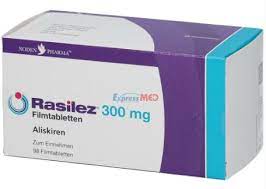
Rasilez, also known as aliskiren, is a medicine used primarily to treat essential hypertension. This medication works by blocking the enzyme renin, which starts a process that leads to the constriction of blood vessels, high blood pressure, and cardiovascular problems. Here is an overview of Rasilez uses, benefits, side effects, and warnings.
Uses
Rasilez is used for the treatment of hypertension, a condition characterized by high blood pressure. The medication belongs to a class of drugs known as renin inhibitors, which work by inhibiting renin’s activity, leading to a decrease in blood pressure. Rasilez is also used for heart failure, diabetic nephropathy, and other conditions.
Benefits
Rasilez has been shown to decrease blood pressure effectively and safely. Multiple studies conducted on patients with mild to moderate hypertension show that Rasilez is beneficial in reducing blood pressure when taken for a prolonged period. It is especially useful in elderly patients and those with diabetes who are at a higher risk of developing hypertension and cardiovascular problems.
Additionally, Rasilez has been shown to improve the symptoms of heart failure, including shortness of breath, fatigue, and edema. Recent clinical trials have also suggested that Rasilez may help slow down the progression of diabetic nephropathy, a kidney complication that eventually leads to renal failure, in patients with type 2 diabetes.
Side Effects
Like any medication, Rasilez has some side effects. These include headaches, dizziness, diarrhea, cough, and skin rash. In rare cases, allergic reactions may occur, leading to difficulty breathing, chest tightness, and swelling of the face, tongue, and throat. Patients should consult their healthcare provider immediately if any of these symptoms develop.
Rasilez may also cause changes in renal function, leading to an increase in serum creatinine, potassium, and uric acid levels in the blood. Therefore, patients taking the medication should have their kidney function monitored regularly to detect any potential adverse effects.
Warnings
Rasilez should not be taken by pregnant women or women planning to become pregnant, as the medication can harm the fetus. Patients who have a history of angioedema or allergic reactions to the medication should not take Rasilez. Rasilez should also be used cautiously in patients who have renal impairment as the medication can cause further worsening of renal function.
Patients taking Rasilez should avoid taking potassium-sparing diuretics or potassium supplements, as they can lead to hyperkalemia, a potentially life-threatening condition. Rasilez should also not be taken with cyclosporine, a medication used to prevent organ rejection in transplant patients, as it can increase the risk of kidney toxicity and adverse effects.
FAQs
Rasilez takes about two weeks to start working effectively, although some patients may experience a reduction in blood pressure right after starting the medication.
Patients with renal impairment should use Rasilez with caution as the medication can cause further worsening of renal function. Your healthcare provider will monitor your kidney function regularly while on the medication.
If you miss a dose of Rasilez, take it as soon as you remember. If it is almost time for your next dose, skip the missed dose and take the next dose at the scheduled time.
It is not recommended to consume alcohol while taking Rasilez as it can cause an increase in blood pressure and adverse effects.
Patients should not stop taking Rasilez abruptly as it can cause an increase in blood pressure and adverse effects. Your healthcare provider will provide instructions on how to gradually decrease the medication dosage.






