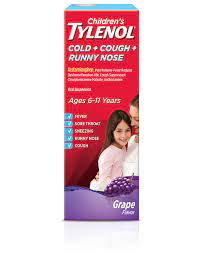
Children’s Tylenol Cold Cough is a popular over-the-counter medicine designed to provide relief for children suffering from cold and cough symptoms. This medication is specially formulated for children aged 2 to 11 years and is available in various forms, including liquid and chewable tablets. It contains active ingredients like acetaminophen, dextromethorphan, and phenylephrine, which work together to alleviate common cold and cough symptoms.
Uses
Children’s Tylenol Cold Cough is intended to provide temporary relief from symptoms associated with the common cold, such as nasal congestion, cough, sneezing, sore throat, and headache. It helps reduce these discomforts, allowing children to rest and recover from their illness.
Benefits
The benefits of Children’s Tylenol Cold Cough are numerous. This medication effectively provides relief from common cold symptoms, allowing children to experience improved sleep quality and overall comfort. By reducing nasal congestion, sneezing, and coughing, Children’s Tylenol Cold Cough helps children regain their appetite and return to their normal daily activities.
Furthermore, this medication is available in child-friendly flavors, making it easier for parents to administer the medicine to their children without any resistance. Its liquid form is also easy to swallow, eliminating the need for children to struggle with large pills.
Side Effects
While Children’s Tylenol Cold Cough is generally safe when used as directed, there are a few possible side effects that may occur. Some children may experience drowsiness or dizziness after taking this medication. These effects are usually mild and temporary.
In rare cases, more severe side effects may occur, such as allergic reactions, rash, itching, swelling, or difficulty breathing. If any of these symptoms occur, immediate medical attention should be sought. It is important to carefully read and follow the dosage instructions provided on the packaging to minimize the risk of side effects.
Warnings
Parents should be aware of certain warnings associated with Children’s Tylenol Cold Cough. This medication should not be used in children under 2 years of age without consulting a healthcare professional. Additionally, it is essential to avoid using multiple products containing acetaminophen or other active ingredients to prevent accidental overdose.
Parents should always read the label and follow the recommended dosage instructions. Overdosing on acetaminophen can lead to serious liver damage. If a child accidentally ingests more than the recommended dose, medical help should be sought immediately.
Children with certain medical conditions, such as liver disease, kidney disease, high blood pressure, or thyroid problems, should consult a healthcare professional before using Children’s Tylenol Cold Cough. It is important to disclose any pre-existing medical conditions or medications the child may be taking to ensure this medication is safe for use.
FAQs (Frequently Asked Questions)
No, Children’s Tylenol Cold Cough is not recommended for use in infants under 2 years of age. It is always best to consult a healthcare professional for appropriate medication options for infants.
The dosage and frequency of administration depend on the age and weight of the child. It is important to carefully read and follow the instructions provided on the packaging or consult a healthcare professional.
It is important to consult a healthcare professional before using Children’s Tylenol Cold Cough alongside other medications. Some drug interactions may occur, and a healthcare professional can provide guidance on appropriate combinations.
When used as directed, Children’s Tylenol Cold Cough is generally safe and does not pose any long-term side effects. However, it is important to follow the recommended dosage instructions and seek medical attention if any severe side effects occur.
While rare, some children may experience allergic reactions to Children’s Tylenol Cold Cough. If any signs of an allergic reaction, such as rash, itching, swelling, or difficulty breathing, occur, immediate medical help should be sought.