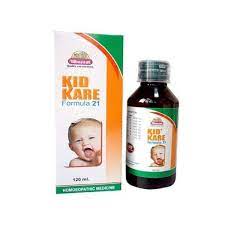
Kidkare is a widely used medication that provides relief from various symptoms commonly experienced by children. It is important to understand the uses, benefits, side effects, and warnings associated with Kidkare to ensure safe and effective usage.
Uses
Kidkare is primarily used to alleviate common cold symptoms in children. It effectively reduces nasal congestion, relieves coughing, and eases breathing difficulties caused by congestion. The medication also soothes irritation in the throat and helps reduce fever, providing relief from discomfort and enabling children to rest and recover.
Furthermore, Kidkare is often prescribed for the treatment of allergies in children, offering relief from sneezing, itching, and watery eyes. It aids in suppressing the allergic responses that can cause discomfort and disrupt daily activities.
Benefits
Kidkare provides numerous benefits to children experiencing cold symptoms or allergies. Some of these benefits include:
- Relieving congestion and nasal blockages
- Alleviating persistent coughing
- Soothing throat irritation
- Reducing fever
- Suppressing allergic responses
These benefits not only help children feel more comfortable and reduce the severity of symptoms but also improve their overall well-being, allowing them to engage in their daily activities with ease.
Side Effects
While Kidkare is generally well-tolerated, some children may experience certain side effects. Common side effects include drowsiness, dizziness, mild headache, and dry mouth. These side effects are typically temporary and subside once the body adjusts to the medication. However, if these symptoms persist or worsen, it is essential to consult a healthcare professional.
In rare cases, Kidkare can cause more severe side effects, such as rapid heartbeat, difficulty breathing, rash, or hives. If any of these serious side effects occur, immediate medical attention should be sought.
Warnings
It is crucial to consider certain warnings when using Kidkare:
- Kidkare should not be administered to infants under the age of 2 without consulting a healthcare professional.
- Parents should follow the recommended dosage instructions provided by the healthcare provider or outlined on the medication packaging.
- Exceeding the recommended dosage can lead to adverse effects and should be strictly avoided.
- Kidkare may interact with other medications, so it is important to inform the healthcare provider about all current medications before starting Kidkare.
- If a child’s symptoms worsen or do not improve after a few days of Kidkare usage, medical advice should be sought.
FAQs
No, Kidkare should not be administered to infants under the age of 2 without consulting a healthcare professional.
Yes, Kidkare can effectively alleviate symptoms of allergies, such as sneezing, itching, and watery eyes.
If a child experiences severe side effects like rapid heartbeat, difficulty breathing, rash, or hives, immediate medical attention should be sought.
Kidkare may interact with other medications, so it is important to inform the healthcare provider about all current medications before starting Kidkare.
Kidkare should be used only as long as symptoms persist or as directed by the healthcare provider. If symptoms worsen or do not improve after a few days of Kidkare usage, medical advice should be sought.






