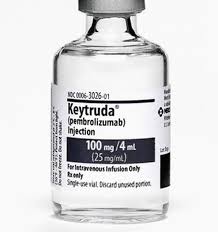
Keytruda, also known as Pembrolizumab, is a medication used in the field of oncology. It is classified as an immunotherapy drug and belongs to the class of medications known as programmed death receptor-1 (PD-1) inhibitors. Keytruda is primarily used to treat various types of cancer, and it has shown promising results in improving the overall survival rates of patients.
Uses
Keytruda is used in the treatment of various types of cancers, including:
- Melanoma (a type of skin cancer)
- Non-small cell lung cancer (NSCLC)
- Kidney cancer
- Head and neck squamous cell carcinoma
- Hodgkin lymphoma
It can also be prescribed for the treatment of cancers that have spread to other parts of the body or have come back after previous treatments.
Benefits
Keytruda works by blocking the PD-1 receptor, which is present on certain immune cells in the body. By blocking this receptor, Keytruda helps to unleash the immune system’s ability to target and destroy cancer cells. This enhances the body’s natural defense mechanism against cancer, leading to a decrease in tumor size and a potential improvement in overall survival rates.
Studies have shown that Keytruda can significantly improve the prognosis and survival rates for patients with advanced stages of various types of cancer. It has become an essential part of the treatment regimen for many oncologists.
Side Effects
Like any medication, Keytruda can cause certain side effects. While most side effects are manageable and temporary, some may require medical attention. The most common side effects associated with Keytruda include:
- Fatigue
- Nausea
- Loss of appetite
- Diarrhea
- Rash or itching
- Joint pain
It is important to consult with your doctor about any side effects you experience while taking Keytruda. They will be able to provide guidance and determine the best course of action to manage these side effects.
Warnings
Before starting treatment with Keytruda, it is crucial to inform your healthcare provider about any existing medical conditions or allergies you may have. Keytruda may not be suitable for individuals who have an autoimmune disorder, as it can potentially stimulate the immune system, leading to serious complications in these patients.
Additionally, it is important to inform your doctor about any medications you are currently taking, including over-the-counter drugs and herbal supplements. Some medications may interact with Keytruda and affect its effectiveness or increase the risk of side effects.
Furthermore, Keytruda can lower the body’s ability to fight infections. It is advised to avoid close contact with individuals who have contagious illnesses while on Keytruda treatment. Regular monitoring of blood counts and immune function is usually conducted to ensure the patient’s safety.
FAQs
While Keytruda has shown significant success in the treatment of various types of cancer, it may not guarantee a complete cure. Its effectiveness varies depending on the type and stage of cancer. It is best to consult with your oncologist to discuss the potential benefits and risks based on your individual case.
Keytruda is administered via intravenous infusion. It is usually given once every three weeks or as directed by your healthcare provider. The treatment duration and dose depend on the type of cancer being treated.
Long-term side effects of Keytruda are rare, but they may include immune-related complications such as pneumonitis, colitis, or thyroid problems. Regular follow-ups with your healthcare provider can help monitor and manage any potential long-term side effects.
es, Keytruda is often used in combination with other cancer treatments such as chemotherapy, radiation therapy, or targeted therapy. Combination therapies are designed to maximize the treatment response and improve overall outcomes.
The cost of Keytruda can vary depending on various factors, including the country, the type of cancer being treated, and the treatment duration. It is recommended to check with your healthcare provider or insurance company for specific pricing details and potential financial assistance programs.