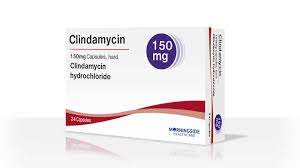
Clindamycin Hcl is an antibiotic medication that is commonly used to treat various bacterial infections. It belongs to the lincosamide class of antibiotics and works by stopping the growth of bacteria. It is available in different forms such as capsules, oral solution, and topical gels or creams. Before using Clindamycin Hcl, it is important to understand its uses, benefits, side effects, and warnings.
Uses
Clindamycin Hcl is primarily prescribed to treat infections caused by susceptible bacteria. Some common uses of Clindamycin Hcl include:
- Treating skin and soft tissue infections
- Treating respiratory tract infections
- Treating bone and joint infections
- Treating intra-abdominal infections
- Treating dental infections
- Preventing infection before dental procedures in people with certain heart conditions
Benefits
Clindamycin Hcl offers several benefits in the treatment of bacterial infections. Some key benefits include:
- Effective against a wide range of bacterial infections
- Can be used in both adults and children
- Available in different forms for convenient administration
- Offers an alternative treatment option for individuals allergic to penicillin
Side Effects
While Clindamycin Hcl is generally safe, it may also cause certain side effects in some individuals. Common side effects include:
- Nausea and vomiting
- Diarrhea
- Abdominal pain
- Skin rash or itching
- Change in taste sensation
If any of these side effects persist or worsen, it is important to consult a healthcare professional. In rare cases, Clindamycin Hcl may cause more severe side effects such as severe diarrhea, blood in stools, or allergic reactions. Immediate medical attention should be sought if any of these symptoms occur.
Warnings
Before starting Clindamycin Hcl, it is crucial to consider the following warnings:
- Allergy: Individuals who are allergic to Clindamycin Hcl or any other antibiotics should avoid its use.
- Medical conditions: People with a history of gastrointestinal diseases, liver diseases, kidney diseases, or asthma should exercise caution while using Clindamycin Hcl.
- Pregnancy and breastfeeding: Clindamycin Hcl may have potential risks during pregnancy and breastfeeding. It is important to discuss with a healthcare professional if planning to use this medication in such situations.
- Interactions: Clindamycin Hcl may interact with other medications, including certain blood thinners, muscle relaxants, and some antibiotics. Inform your healthcare professional about any other medications you are taking.
FAQs (Frequently Asked Questions)
No, Clindamycin Hcl is only effective against bacterial infections and does not work against viral infections such as cold or flu.
The onset of action of Clindamycin Hcl may vary depending on the type and severity of the infection. It is important to complete the full course of treatment as prescribed by your healthcare professional.
Yes, Clindamycin Hcl can be used in children. However, the dosage and duration of treatment may vary based on the child’s age and weight. It is important to consult a pediatrician for appropriate dosing.
It is generally recommended to avoid alcohol while taking Clindamycin Hcl as it may increase the risk of certain side effects such as stomach upset or liver damage.
If you miss a dose, take it as soon as you remember. However, if it is close to the time for your next dose, skip the missed dose and continue with your regular dosing schedule. Do not take a double dose to make up for the missed one.






